


Or jump to search for:
HumAnes of UCLA: Jamilla Churchill, MSN, MPH, CRNA
Can you share a little bit about your journey and what led you to UCLA?
I’m originally from Oakland, California. My nursing career evolved over time. It wasn’t something I’d always wanted to do. It was a kind of a second career, actually. I started as an athlete. And then when that phase ended, part two was, what did I want to do with my life? How did I want to make an impact, and what did I enjoy? My first degree was in public health, but I always found myself interested in the people who were working (hands-on) in the community.
A family friend who was a nurse practitioner encouraged me to consider her field because I had already done the science courses. I left California to attend the accelerated BSN program at the University of Florida. Then I worked in the ICU at UF Shands hospital for five years post-graduation. I then returned home to the Bay Area, worked at San Francisco General for 5 years, before starting CRNA school.
When I graduated, I moved to Los Angeles for family. I first worked in the Kaiser system, then signed on at UCLA. I’ve been here for 8 years now, and I really appreciate the work that we do. I feel seen and respected, and I love my colleagues. I feel like I found my niche here.
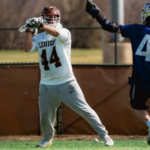
I know that you played basketball at UC Berkeley and then also professionally. How did that experience shape the way you show up in medicine today?
Playing basketball shaped the way I show up in medicine in so many ways— especially teamwork. In the operating room, there are a lot of moving pieces and
personalities, and we’re all working together to make sure the patient has the best experience. There’s no “I” in team. I don’t have the egoism that sometimes shows up in the operating room, and it creates an environment where people respect and trust you.
I try to look out for my colleagues—whether that’s setting up the OR for the next case or making sure things run smoothly. If you’re calm and feeling good about the work you’re about to do, you’re going to do better work. That mindset of taking one for the team, while still setting boundaries, is something I’ve carried with me.
So, I know we talked a little bit about your journey that led to you becoming a CRNA. Was there a specific case or moment in which you were like, oh, this is what’s been leading me to becoming a CRNA?
As an African American woman in anesthesia, there aren’t a lot of us. Mentorship is so important because it’s hard to see yourself spaces where you don’t see people who look like you.
Early in my ICU career, I struggled with confidence and imposter syndrome, even with all of my accolades of graduating with a 4.0 GPA and having tons of clinical experience, I didn’t believe I had what it took to be a CRNA. That changed after I attended a session at the Diversity in Nurse Anesthesia Mentorship Program. For the first time, I saw black women who looked like me in this field. After that weekend, I said, I can do this. I’m going to be a CRNA.
I was previously a board member, and currently participate at the conferences across the country. That work means so much to me—being able to mentor others and continue that legacy. Someone touches you, and then you touch others, and it keeps going. That is legacy.
I only have one more question for you. Outside of work, what brings you joy and helps you recharge?
Outside of work, I love salsa dancing and being outside. I’m a sun baby—beach, hiking, anything active. I love sports and competition, anything where people are displaying peak performance and effort.
HumAnes of UCLA: Jamilla Churchill, MSN, MPH, CRNA – UCLA Health


Leave a Comment