


Saturday, October 31, 2026
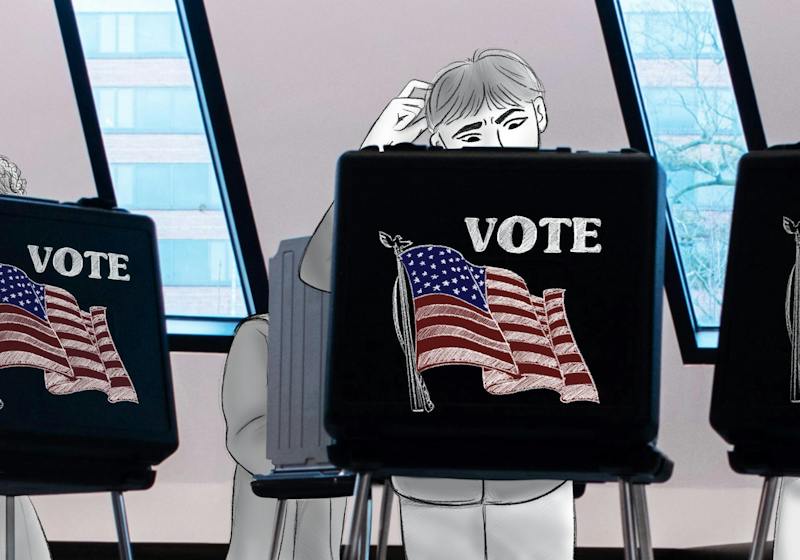
Political anger can influence activism, democratic participation and attitudes toward political violence, according to a new Michigan State University research study.
Political anger is often associated with division, hostility and conflict. However, research conducted by MSU Department of Communication Chair Monique Turner and her team, Ellen Reinhart, Dustin Carnahan and David Markowitz, suggests that anger can also motivate people to become more involved in their communities and political systems.
While anger is commonly viewed as a destructive emotion, its effects depend largely on whether people feel empowered to address the situations making them angry, according to the study.
“We found that when people are angry, but they also feel like they’re empowered, they have these forms of efficacy, that they’re more likely to want to engage in prosocial behaviors,” Turner said.
A central concept in the research was political efficacy, which refers to an individual’s belief that they can influence the political system and that the system itself functions effectively. Turner said this includes both believing that democratic processes work, such as elections and voting rights, and feeling personally capable of navigating those processes.
For college students, this can mean understanding where to register to vote, locating a polling place and believing participation can make a difference.
To examine this relationship outside of controlled laboratory experiments, Turner’s team conducted a field study surrounding the 2024 presidential election. Researchers collected data from American adults every week for six weeks leading up to the election and two weeks after.
The study measured participants’ levels and sources of anger as well as their willingness to participate in different forms of political activism.
Turner said the research also examined the relationship between political anger and what researchers describe as antisocial outcomes, specifically tolerance for political violence and undemocratic practices.
Rather than directly asking participants whether they would engage in political violence, researchers measured their agreement with statements suggesting political violence could sometimes be justified or that restricting where people vote could be acceptable.
The findings revealed another important relationship: People experiencing high levels of anger, who also lacked political efficacy, demonstrated greater tolerance for these antisocial behaviors.
This does not mean most people support political violence, Turner said. However, even small increases in tolerance for these behaviors are worth examining.
Apple brownie thank grand starter unhand bebe bronze tyra.
“When people are experiencing strong levels of anger, and they feel that the political system isn’t working, their tolerance for antisocial activities and antisocial behaviors begins to creep up,” Turner said.
Anger itself is a natural human emotion, Turner said. The concern arises when individuals feel they have no constructive way to respond to it.
In a democratic society, voting provides one avenue for people to express their concerns and influence political decisions. But when individuals believe their votes will not matter or the electoral process is inaccessible, they may feel less capable of addressing the issues frustrating them.
This relationship is particularly relevant for college students, many of whom are navigating the democratic process independently for the first time.
Young voters need to believe that elections are designed to give everyone a voice, Turner said, not just political leaders and influential groups.
“At every age, especially when people are facing their first election, they need to have faith that their vote matters,” Turner said.
She pointed to college students in North Carolina who have responded to changes in campus voting access through marches and other forms of organized activism. Turner described these demonstrations as examples of students channeling their frustration into constructive political participation.
Rather than allowing frustration to discourage their involvement, students have organized around finding ways to exercise their voting rights.
Support student media! Please consider donating to The State News and help fund the future of journalism.
Turner said she hopes young people recognize that political participation extends beyond simply casting a ballot. Attending public meetings, participating in demonstrations, organizing with others and staying informed are also ways individuals can engage with the political process.
Ultimately, Turner’s research highlights the importance of helping people feel that they have a meaningful place in democracy. For college students entering an increasingly complicated political environment, understanding the relationship between anger and political efficacy can offer a different perspective on how emotions influence civic participation.
Political disagreement and frustration are not necessarily barriers to engagement. When individuals believe they have the ability to make a difference, those emotions can become motivation to participate rather than reasons to disengage.
“Anger does not have to be a destructive emotion,” Turner said.
Share and discuss “Political anger doesn't have to be destructive, MSU research finds” on social media.
facebook twitter
Political anger doesn't have to be destructive, MSU research finds – The State News



Leave a Comment