


Let BioPharma Dive’s free newsletter keep you informed, straight from your inbox.
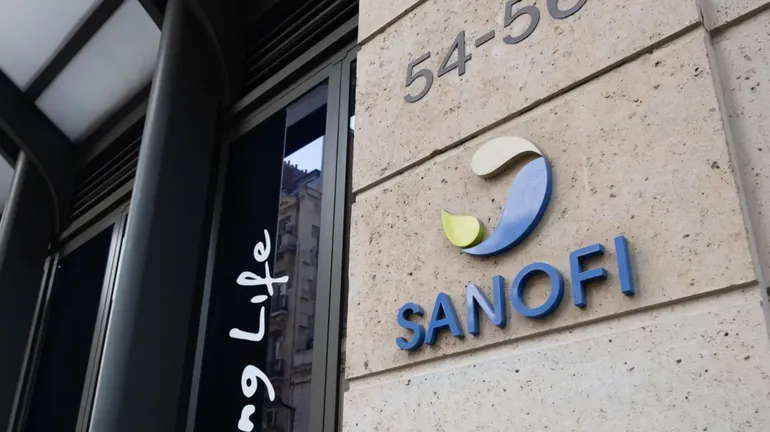
The failure adds to a series of mixed or negative readouts and leaves in doubt the future of a therapy Sanofi has viewed as a potential blockbuster.
While Sanofi shares fell by only 1% in early U.S. trading Wednesday, the news had a more pronounced effect on smaller rival Dianthus Therapeutics, which is developing a similar medicine that acts on a target called C1 and is also testing it in CIDP. Concerns that Sanofi’s results might foreshadow problems for Dianthus sent its shares down 16%.
“The news is obviously disappointing for the complement inhibitor class in CIDP,” especially after initially impressive Phase 2 results from riliprubart, William Blair analyst Myles Minter wrote in a note to clients. But it’s possible that the trial design could be at fault, he said. Dianthus and Argenx, the latter of which is developing a “C2” inhibitor, are using different study protocols to test their experimental treatments, he said.
Investors in Argenx appeared less concerned about the Sanofi study implications; that company’s shares were little changed. Argenx also already sells a successful CIDP treatment called Vyvgart.
In April, Sanofi executives highlighted the potential for riliprubart, expecting to be able to share the full CIDP data next year. Now, the company is evaluating the future for the drug — which was acquired in a buyout of Bioverativ in 2018 — and whether to continue another Phase 3 study known as VITALIZE. That trial is designed to compare the efficacy of riliprubart and IVIg.
Sanofi is looking to regroup after a series of research and development setbacks. The company announced the hiring of a new CEO in February and in April posted an upbeat financial report for the first quarter. But investors are looking for more from their pipeline as competition looms for its best-selling Dupixent medicine.
Get the free daily newsletter read by industry experts
Young biotechs usually get acquired instead of profitably selling their own medicines. A growing number are proving they can, which could make the sector more broadly appealing to investors, some say.
AbbVie reached legal settlements delaying the arrival of generic versions of Rinvoq until 2037, enabling four more years of exclusivity for a drug that banked about $6 billion in sales in 2024.
Subscribe to BioPharma Dive for top news, trends & analysis
Sign up for the free newsletter.
Interested? Explore more of what has to offer.
Thanks for signing up! Please keep an eye out for a confirmation email from [email protected] To ensure we make it into your inbox regularly, add us to your allow list, mark us as a safe sender, or add us to your address book. Check out more from
Get the free daily newsletter read by industry experts
Young biotechs usually get acquired instead of profitably selling their own medicines. A growing number are proving they can, which could make the sector more broadly appealing to investors, some say.
AbbVie reached legal settlements delaying the arrival of generic versions of Rinvoq until 2037, enabling four more years of exclusivity for a drug that banked about $6 billion in sales in 2024.
The free newsletter covering the top industry headlines