




Send Press Releases | Advertise with Us
The study suggests these offer opportunities for manufacturers to create ingredients for functional human foods while taking environmental sustainability into account.
USA – Dairy byproducts, commonly used for low-value animal feedstock, have been shown to have a nutritional value for humans, according to a study by Dr Gulustan Ozturk, an assistant professor at the Department of Food and Nutritional Sciences, University of Wisconsin-Madison.
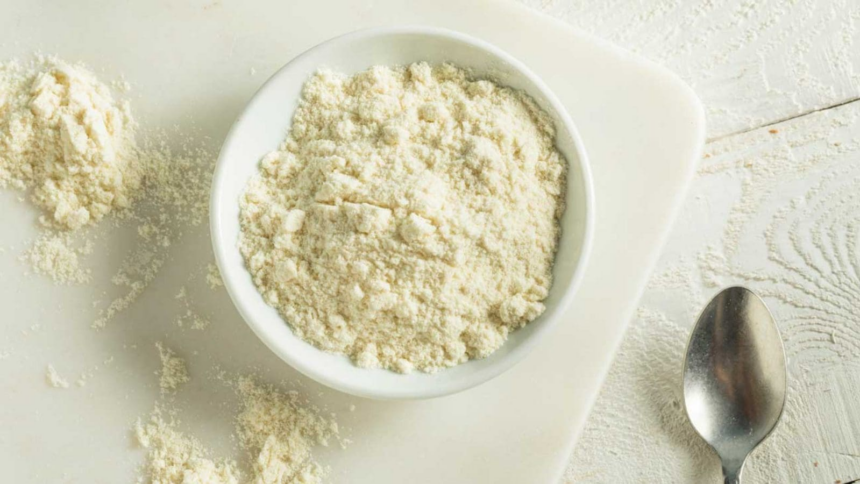
When whey protein isolate is produced, it also produces an almost equal amount of whey protein phospholipid concentrate (WPPC) as a byproduct.
“WPPC is rich in milk fat globule membrane-associated components, including phospholipids, sphingolipids, glycoproteins, and bioactive proteins. In preclinical studies, WPPC and its fractions have shown potential to influence gut health, the gut microbiome, bone health, cognitive health, and nutrient delivery,” he stated.
Time for human discovery
WPPC is produced during whey protein isolate manufacturing, but historically, most research and commercial interest focused on whey proteins themselves, particularly whey protein concentrate and whey protein isolate, explained Ozturk.
The compositionally complex nature of WPPC is also challenging. Unlike purified ingredients, it contains a mixture of proteins, phospholipids, lipids, and glycoproteins, making it more difficult to fully characterize and understand its functionality.
Ozturk said that the most exciting aspect of WPPC is that it connects sustainability and nutrition.
“We are taking a dairy coproduct that is currently underutilized and asking whether it can become a value-added ingredient for functional foods. WPPC could become part of the next generation of dairy ingredients that connect sustainability, healthy aging, and precision nutrition.”
Targeted consumer groups
Postmenopausal women and older adults are an important focus because aging is associated with increased risk of bone loss, metabolic changes, and inadequate intake of some nutrients, including choline.
WPPC may offer a dairy-based strategy to support potentially healthy aging through phospholipids, choline, protein, and MFGM components.
Ozturk details that the most realistic formats include ready-to-mix powders, dairy beverages, yogurts or cultured dairy products, protein-enriched snacks, and potentially cheese-based applications.
For infant formula, the regulatory bar is much higher than for general adult nutrition, she stressed.
“The ingredient would need to meet strict compositional, microbiological, contaminant, safety, consistency, and infant-suitability standards. In the US, infant formula ingredients must comply with applicable regulatory requirements.”
Globally, ingredients enriched in MFGM components and dairy phospholipids are already being incorporated into infant nutrition products, particularly because they contain bioactive lipids and phospholipids that more closely resemble those found in human milk.
Continued research and collaboration among industry, researchers, and regulatory agencies will help determine how quickly these ingredients move into wider commercial use.
From low-value animal feed to premium human nutrition
For the ingredient to make the shift from being perceived as low-value animal feed to premium human nutrition, Ozturk argued that the strongest path forward is to combine detailed compositional characterization with high-quality human nutrition research.
She shared that from a scientific perspective, evidence demonstrating nutrient bioavailability, physiological relevance, and potential benefits in target populations would help establish its value as a premium ingredient.
“As with many emerging functional ingredients, building a strong body of evidence through both mechanistic and human studies is important for broader adoption. The greatest opportunity may be positioning WPPC around its naturally occurring dairy phospholipids, MFGM components, nutrient density, and role as a value-added dairy ingredient rather than relying on exaggerated health claims.”
As the scientific evidence continues to grow, the market perception of WPPC is likely to evolve from a little-known coproduct to a specialized nutrition ingredient, she argues.
Growing interest in dairy
Interest in dairy bioactive ingredients continues to grow, particularly in areas such as healthy aging, infant nutrition, gut health, and functional foods.
“One of the most exciting developments is the growing recognition that WPPC is a complex dairy ingredient containing proteins, lipids, phospholipids, glycoproteins, and other naturally occurring bioactive components.”
She stated that while phospholipids and MFGM-associated compounds continue to attract significant attention, emerging research suggests that multiple components within WPPC may contribute to its nutritional and functional properties.
“Recent studies, including work from our group and collaborators, suggest that different WPPC fractions may influence outcomes related to bone health, body composition, the gut microbiome, and cognitive health.”
Subscribe to receive our email newsletters with the latest news and insights from Africa, the Middle East and around the world. SUBSCRIBE HERE
Newer Post
Older Post
Your email address will not be published.
LATEST MAGAZINE ISSUE
TRENDING NEWS TODAY
UPCOMING PARTNER EVENTS
AFMASS Food Expo Kenya & Eastern Africa – July 15-19, 2026 – Nairobi, Kenya
AFMASS Food Expo Nigeria & Western Africa – September 15-17, 2026 – Lagos, Nigeria
SIAL Paris – October 17-21, 2026 – Paris, France
To partner with us to promote your event, contact us. Terms and conditions apply
MOST COMMON TAGS
NEWS ARCHIVES
We organise some of the most impactful face-to-face and virtual trade events and publish leading magazines and websites that facilitate business growth in the Middle East, Africa and globally. We believe that when people come together, networks grow, and businesses thrive.
Find more about us on our corporate website www.fwafrica.net
Advertise with Us
Send Us Press Releases
Food Business Middle East & Africa
Home & Personal Care Middle East & Africa
Milling Middle East & Africa
Feed Business Middle East & Africa
HORECA Middle East & Africa
Sustainable Packaging Middle East & Africa
HealthCare Middle East & Africa
FW Africa
P.O. Box 1874-00621, Nairobi, Kenya
Tel: +254 725 34 39 32
Email: info(at)fwafrica.net
© 2026 Dairy Business Middle East & Africa – No.1 Dairy Industry Website & Magazine.
Our website relies on ads to provide free content and sustain our operations. By turning off your ad blocker, you help support us and ensure we can continue offering valuable content without any cost to you.
We truly appreciate your understanding and support. Thank you for considering disabling your ad blocker for this website
Dairy byproducts hold promise for human nutrition – study by University of Wisconsin-Madison – Dairy Business Middle East & Africa



Leave a Comment

