


Thursday, June 4, 2026 78° Today’s Paper
By Norm Skorge
Today • Updated 8:29 p.m.
Norm Skorge
Already a Honolulu Star-Advertiser subscriber? Log in now to continue reading.
From as low as $12.95 /mo.
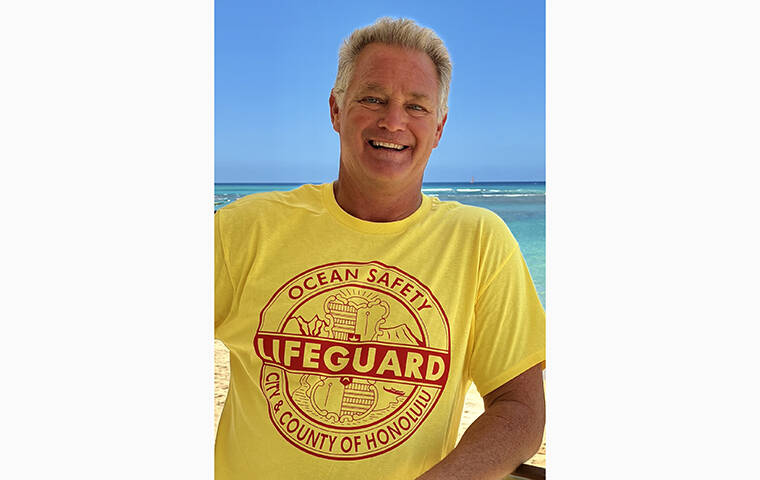
As a 25-year veteran lifeguard with Ocean Safety here in Honolulu, I’ve spent my career protecting people from danger in the water. I know how critical a fast response can be when a life is on the line. I’ve seen firsthand how quick access to CPR and an automated external defibrillator, or AED, can mean the difference between life and death.
Every year in the United States, more than 350,000 people experience cardiac arrest outside of a hospital, including more than 23,000 children. Those numbers are hard to ignore.
And here’s what matters most: survival depends on what happens in the first few minutes. We need more people, not just emergency responders, to be ready to act.
This issue became personal for me a few years ago. At age 54, while swimming, I had a heart attack. My heart stopped beating for nearly eight minutes. Even with decades of experience as a lifeguard, I never imagined it would happen to me.
But it did. And I’m alive today because people nearby knew what to do. They started CPR and used an AED until Emergency Medical Services arrived. Without that quick response, I wouldn’t be here.
That experience changed everything for me. It’s why I traveled to Washington, D.C., last year to share my story with members of Congress. I joined other survivors, including kids, and families who have lost loved ones to cardiac arrest. We spoke up because we know how much these moments matter and how much preparation can save lives.
Stay in touch with breaking news, as it happens, conveniently in your email inbox. It’s FREE!
In 2024, Congress passed the HEARTS Act with bipartisan support, and it was signed into law that December. This law provides schools with the resources to purchase AEDs, train staff and volunteers in CPR and AED use and create cardiac emergency response plans so they are ready when every second counts.
But passing the law was only the first step. It only works if it’s funded.
That’s why this moment matters. The first week of June is CPR and AED Awareness Week, a time to remind people that anyone can learn these lifesaving skills. At the same time, Congress is making decisions about funding for programs like the HEARTS Act through the Labor-HHS appropriations process.
Lawmakers have a real opportunity right now to follow through.
We know this approach works. In schools that have AEDs, about 70% of children survive cardiac arrest. That’s seven times higher than the national average. Those are not just statistics. Those are lives saved and families kept whole.
I’ve spent my career responding when things go wrong. I also know the best outcomes happen when people are prepared before an emergency ever begins. Cardiac arrest happens fast. There’s no time to wait or figure it out in the moment.
Anyone can help save a life. They just need the right tools and training.
That’s what the HEARTS Act is all about. It’s about making sure schools in Hawaii and across the country are ready.
Congress did the right thing by passing this law. Now they need to finish the job and fund it.
Lives depend on it.
Norm Skorge is a veteran lifeguard with the city Ocean Safety Department.
500 Ala Moana Blvd. #2-200
Honolulu, HI 96813
(808) 529-4747
Our Company
Subscribers
More
Column: Congress can help schools’ cardiac arrest readiness – Honolulu Star-Advertiser


Leave a Comment