Credit: Yana Iskayeva / Getty Images
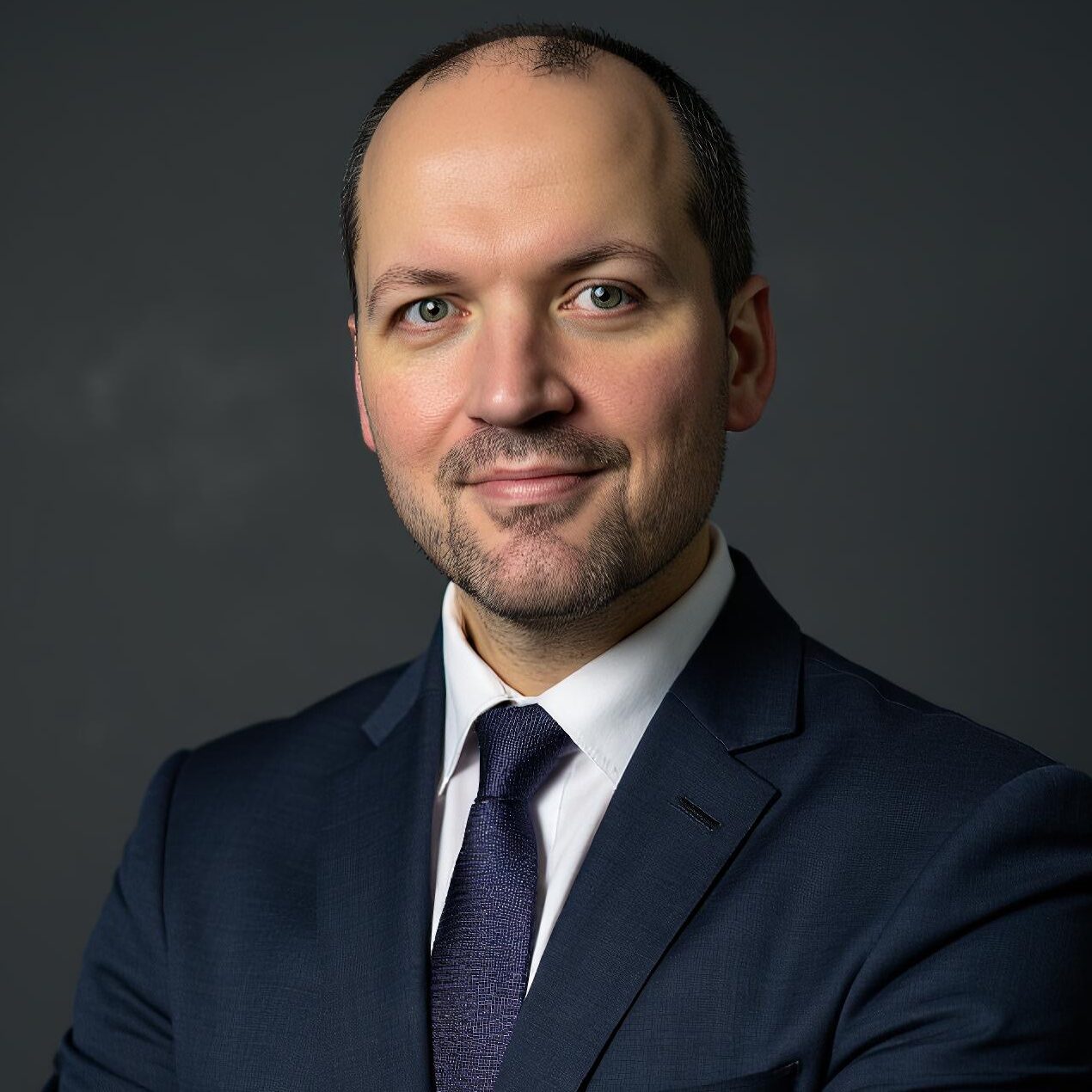
Justin Byers
Founder and CEO
Axio BioPharma
Panelist
Justin Byers
Justin Byers is the founder and CEO of Axio BioPharma. He holds a BS in biochemistry and molecular biology from Illinois State University and has held leadership roles at Illumina, Danaher, and Fujifilm. Throughout his career, Byers has led commercial, operational, and cross-functional initiatives supporting biologics programs from early development through manufacturing. He has worked closely with scientific teams to scale workflows, improve process rigor, and align technical execution with strategic objectives. At Axio, Byers oversees corporate strategy, partnerships, and scientific direction. His focus is positioning the company at the intersection of structured data and biologics workflow execution. Axio is accelerating biologics development through mAb production services for R&D while partnering with innovators and CDMOs to ensure the data required for rigorous decision making and a digitally enabled future is generated, structured, and accessible.
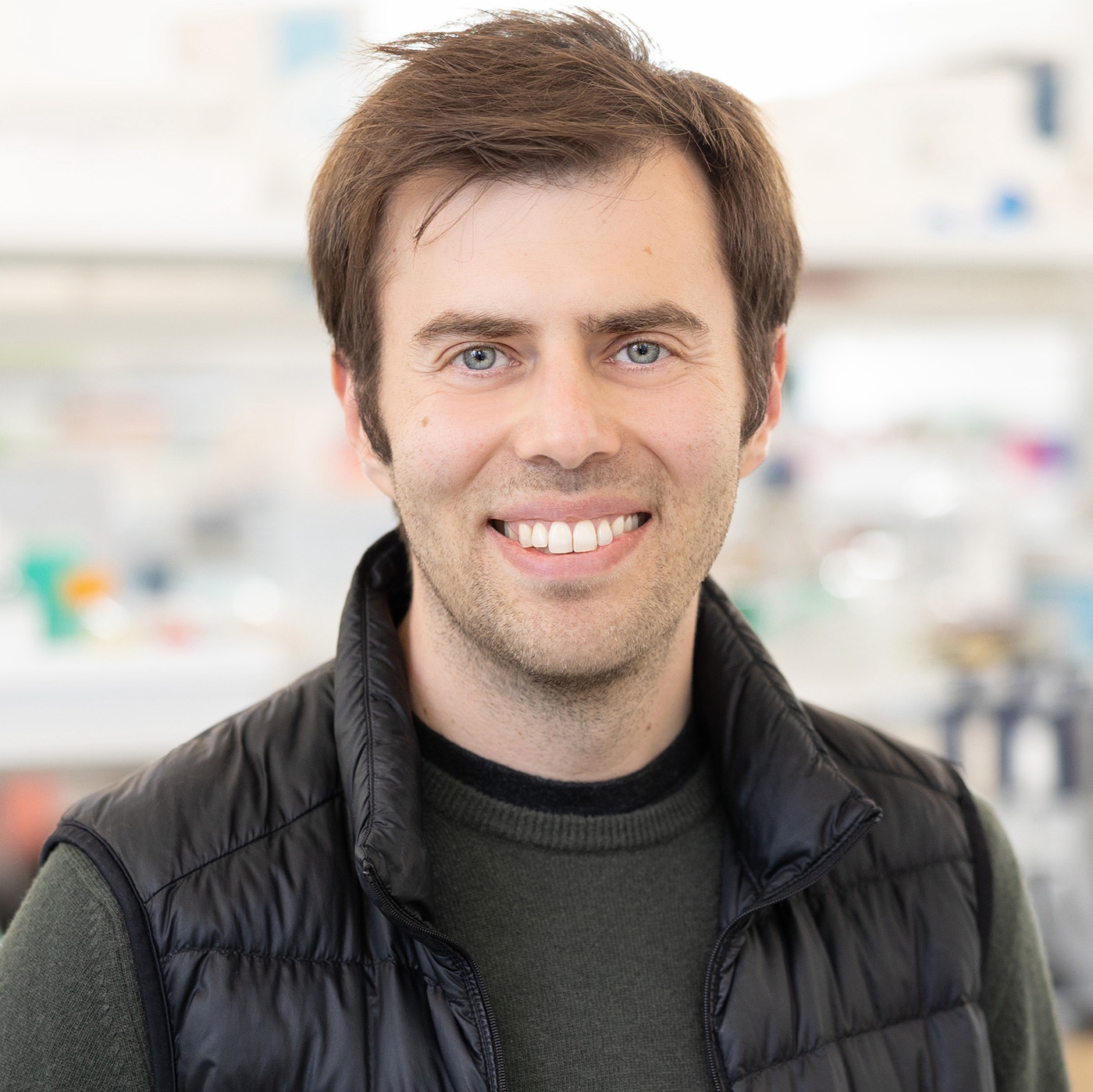
Daniel Lin-Arlow, PhD
Chief Scientific Officer and Co-founder
Ansa Biotechnologies
Panelist
Daniel Lin-Arlow, PhD
Daniel Lin-Arlow, PhD, is a scientist-entrepreneur with deep expertise in synthetic biology and biophysics. Motivated by firsthand challenges in obtaining DNA constructs for metabolic engineering in graduate school, he is deeply committed to providing scientists with the DNA constructs they need for their research. As Ansa’s founding CEO, Lin-Arlow grew the company from two employees in 2018 to more than 70 by 2024, raising over $130 million in venture capital and grant funding to support technology development and commercialization. He transitioned to the role of chief scientific officer in 2024, where he leads the development of new applications of the company’s technologies. Lin-Arlow received his PhD from the University of California, Berkeley for his work in Jay Keasling’s lab for developing the DNA synthesis technology commercialized by Ansa. Prior to graduate school, he was a scientific associate at D.E. Shaw Research where he studied the biophysical properties of G protein-coupled receptors, including how drugs bind and modulate their activity. Dan began his scientific career at MIT, where he earned dual SB degrees in math with computer science and biology, and developed computation tools for the analysis of regulation of gene expression at the Broad Institute of MIT and Harvard. Lin-Arlow is a co-inventor of nine patent families and has co-authored scientific publications in Nature, Science, Cell, PNAS, and Nature Biotechnology.
Justin Byers is the founder and CEO of Axio BioPharma. He holds a BS in biochemistry and molecular biology from Illinois State University and has held leadership roles at Illumina, Danaher, and Fujifilm. Throughout his career, Byers has led commercial, operational, and cross-functional initiatives supporting biologics programs from early development through manufacturing. He has worked closely with scientific teams to scale workflows, improve process rigor, and align technical execution with strategic objectives. At Axio, Byers oversees corporate strategy, partnerships, and scientific direction. His focus is positioning the company at the intersection of structured data and biologics workflow execution. Axio is accelerating biologics development through mAb production services for R&D while partnering with innovators and CDMOs to ensure the data required for rigorous decision making and a digitally enabled future is generated, structured, and accessible.
Daniel Lin-Arlow, PhD, is a scientist-entrepreneur with deep expertise in synthetic biology and biophysics. Motivated by firsthand challenges in obtaining DNA constructs for metabolic engineering in graduate school, he is deeply committed to providing scientists with the DNA constructs they need for their research. As Ansa’s founding CEO, Lin-Arlow grew the company from two employees in 2018 to more than 70 by 2024, raising over $130 million in venture capital and grant funding to support technology development and commercialization. He transitioned to the role of chief scientific officer in 2024, where he leads the development of new applications of the company’s technologies. Lin-Arlow received his PhD from the University of California, Berkeley for his work in Jay Keasling’s lab for developing the DNA synthesis technology commercialized by Ansa. Prior to graduate school, he was a scientific associate at D.E. Shaw Research where he studied the biophysical properties of G protein-coupled receptors, including how drugs bind and modulate their activity. Dan began his scientific career at MIT, where he earned dual SB degrees in math with computer science and biology, and developed computation tools for the analysis of regulation of gene expression at the Broad Institute of MIT and Harvard. Lin-Arlow is a co-inventor of nine patent families and has co-authored scientific publications in Nature, Science, Cell, PNAS, and Nature Biotechnology.
- Time:
In this GEN webinar, Justin Byers and Daniel Lin-Arlow, PhD, examine how enzymatic DNA synthesis and DNA construct design mitigate antibody expression challenges.
Byers will walk through a controlled benchmarking study of codon-optimization approaches, including details of the study design and how structured, gene-to-protein workflows can help identify optimal constructs before they become downstream problems. He will show that under matched CHO and HEK293 conditions, antibody constructs codon-optimized with an AI codon language model had consistently higher transient expression titers than other approaches. The AI codon-optimized sequences contained “complex” features such as repeats and GC skew that challenge traditional gene synthesis processes but were readily manufactured by Ansa’s DNA synthesis platform. These results suggest that complex sequence features can be important for optimal gene expression, which makes the ability to manufacture them as relevant as the codon strategy.
Lin-Arlow will present Ansa’s enzymatic DNA synthesis technology and the benefits to clients working on antibody production, cell and gene therapies, and other synthetic biology applications. Key takeaways include:
- An AI-powered codon optimization strategy that measurably improves transient antibody expression yield
- Why controlled side-by-side benchmarking under standardized conditions is the only reliable way to objectively evaluate DNA construct design choices
- How integrating rigorous sequence evaluation upstream compresses timelines and reduces the risks of expression failures late in development
- How Ansa’s fully enzymatic DNA synthesis addresses complex sequences, including: High or low GC content, secondary structures, inverted terminal repeats (ITRs), and homopolymers
- The Ansa On-Time Guarantee—DNA orders shipped on time, or the complete order is free
A live Q&A session will follow the presentation offering you a chance to pose questions to our expert panelists.
Produced with support from:

Copyright © 2026 Sage Publications or its affiliates, licensors, or contributors. All rights reserved, including those for text and data mining and training of large language models, artificial intelligence technologies, or similar technologies.