


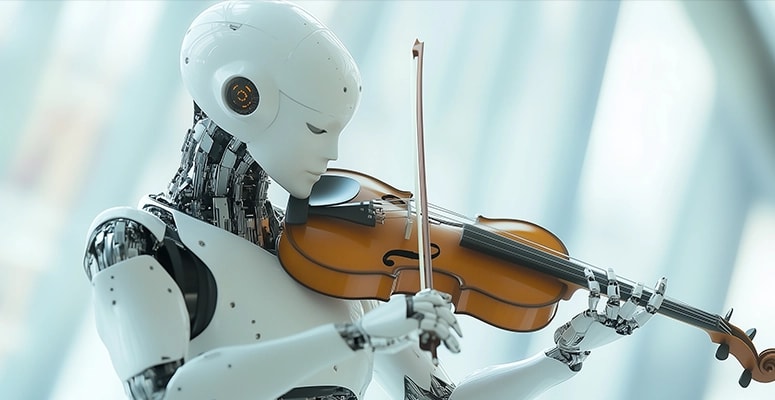
Artificial intelligence has transformed countless industries, and music creation is no exception. In recent years, AI-powered music tools have become increasingly accessible to creators, businesses, educators, and hobbyists alike. These platforms simplify complex production tasks, allowing users to generate melodies, compose lyrics, and produce high-quality tracks with minimal technical expertise. As digital content consumption grows across social media, podcasts, gaming, and video platforms, AI music technology is helping creators meet the rising demand for original audio content efficiently and affordably.
This article explores how AI is reshaping music creation, the benefits it offers to modern creators, and the future possibilities of automated music production.
Artificial intelligence has significantly changed how music is produced and distributed. Traditionally, creating music required years of training, access to expensive equipment, and advanced technical skills. Today, AI-driven platforms allow users to generate melodies, beats, and harmonies within minutes.
One of the most exciting innovations in this space is the ability to convert ideas directly from
text to song generation systems. These tools enable users to type descriptive prompts, moods, or themes, and the AI transforms them into complete musical compositions. This approach has opened creative opportunities for marketers, video creators, and independent artists who may not have formal music production backgrounds.
AI tools can also analyze musical patterns, identify genre preferences, and suggest arrangements based on current trends. As a result, creators can experiment with different sounds more quickly while maintaining creative flexibility.
AI music technology offers several practical benefits for creators across industries. One major advantage is speed. What once required days or weeks of production can now be completed in hours. Automated workflows reduce repetitive tasks such as mixing, mastering, and beat arrangement.
Another important benefit is affordability. Traditional studio production can be costly due to equipment, software licenses, and professional services. AI-powered platforms provide accessible alternatives for individuals and small businesses operating on limited budgets.
These tools also encourage experimentation. Users can test multiple musical styles, tempos, and instrument combinations without extensive technical adjustments. This flexibility supports creativity and helps creators refine their artistic vision more efficiently.
Additionally, AI music platforms improve accessibility for beginners. Even users with limited musical knowledge can produce polished audio content suitable for podcasts, advertisements, educational videos, and social media campaigns.
The rise of digital platforms has increased the need for consistent and engaging content. Video creators, influencers, marketers, and educators all require original music to enhance audience engagement. AI music solutions are becoming essential resources for meeting this demand.
For social media creators, background music plays a crucial role in audience retention and emotional impact. AI-generated tracks allow creators to produce custom audio that matches specific moods or themes without facing copyright concerns associated with commercial music libraries.
Businesses are also using AI-generated music in advertising campaigns, promotional videos, and branded experiences. Personalized music can strengthen brand identity and create stronger emotional connections with customers.
In the gaming and entertainment industries, adaptive AI music systems can dynamically respond to user behavior, creating immersive experiences that evolve in real time. This technology continues to expand the possibilities of interactive storytelling and multimedia production.
Mobile technology has played a major role in making AI music creation more accessible. Modern applications allow users to compose, edit, and share music directly from smartphones and tablets. This convenience supports creators who need flexible tools while traveling or working remotely.
MakeBestMusic has gained attention for its user-friendly interface and advanced music generation capabilities. Applications like these simplify the production process by combining lyric assistance, melody generation, and editing tools within a single platform.
Mobile AI music apps are especially valuable for independent creators who want fast results without investing in complex software systems. As smartphone processing power continues to improve, mobile-based music production will likely become even more sophisticated and widely adopted.
These applications are also encouraging collaboration. Users can easily share drafts, gather feedback, and make revisions in real time, supporting more efficient creative workflows.
While AI music technology offers many advantages, it also raises important ethical and legal questions. One major concern involves copyright and ownership. Since AI systems often learn from large datasets containing existing music, debates continue regarding intellectual property rights and fair usage.
Another concern is the potential impact on professional musicians and producers. Some critics argue that automation could reduce opportunities for traditional music professionals. However, many experts believe AI will function primarily as a collaborative tool rather than a replacement for human creativity.
Transparency is another important issue. Users and audiences may increasingly expect disclosure when music is generated or heavily assisted by AI systems. Establishing ethical guidelines and industry standards will become essential as AI-generated music becomes more common.
Developers also face challenges related to bias and originality. Ensuring that AI systems produce diverse and innovative outputs requires careful training and responsible development practices.
The future of AI music technology appears highly promising. As machine learning models continue to improve, AI-generated music will likely become more emotionally nuanced, personalized, and interactive.
Future platforms may allow users to generate entire soundtracks tailored to specific audiences, emotional responses, or real-time user interactions. Personalized music experiences could become standard across entertainment, gaming, fitness, and virtual reality applications.
Collaboration between human musicians and AI systems is also expected to increase. Rather than replacing artists, AI will likely serve as a creative assistant that enhances productivity and expands artistic possibilities.
Educational institutions may also integrate AI music tools into learning environments, helping students explore composition, production, and sound design more effectively. These technologies could democratize music education by reducing technical barriers and increasing creative accessibility.
As innovation continues, balancing technological advancement with ethical responsibility will remain essential for sustainable growth within the AI music industry.
Artificial intelligence is reshaping the music industry by making production faster, more accessible, and increasingly creative. From automated composition systems to mobile music applications, AI tools are empowering creators across various industries to produce original audio content with greater efficiency.
The growth of AI-powered music generation reflects broader changes in digital creativity and content consumption. While ethical and legal challenges still require careful attention, the technology continues to unlock new opportunities for artists, businesses, educators, and content creators worldwide.
As AI music systems evolve, their role in creative collaboration and personalized entertainment will likely become even more significant. By combining human imagination with advanced technology, the future of music creation promises to be more innovative and inclusive than ever before.
How does it work?
There are no comments for this story
Be the first to respond and start the conversation.
More stories from
Vocal Team and writers in Futurism and other communities.
Introduction Imagine writing a blog post criticizing a local politician. You hit publish, share it, and move on with your day. A few weeks later, someone knocks on your door and hands you legal papers: a defamation lawsuit.
By
7 days ago in
Futurism
Rum and raspberries. That’s right. It sounds like a celestial cocktail, or does it not? More than milky, the Milky Way sounds like a sweet cocktail!
By Susan Fourtané 22 days ago in Futurism
Market Overview The generative AI market in the UAE is witnessing rapid growth, driven by strong government support, increasing enterprise adoption, and rising investments in artificial intelligence infrastructure. Generative AI technologies are being widely used across industries for content creation, automation, customer engagement, and data analysis.
By Jackleen Jackleen4 days ago in Futurism
Welcome to our weekly Leaderboard update! We're delighted to highlight Vocal's most popular stories. Join us as we recognize this week's standout contributors and their remarkable achievements.
By Vocal Team4 days ago in Resources
© 2026
Creatd, Inc. All Rights Reserved.