




A hantavirus outbreak linked to the MV Hondius cruise has left three people dead and seven confirmed or suspected cases under investigation. WHO says the global risk remains low, but authorities are still examining the source of exposure and possible limited transmission.
A hantavirus outbreak linked to a South Atlantic cruise has left three people dead and prompted an international health response, after seven confirmed or suspected cases were identified among passengers aboard the Dutch-flagged vessel MV Hondius. The World Health Organization (WHO) says the global public health risk remains low, but investigations are ongoing to determine the source of exposure and whether limited person-to-person transmission may have occurred.
The WHO reports that, as of May 4, seven cases had been identified among passengers linked to the cruise: two laboratory-confirmed hantavirus infections and five suspected cases. The cluster includes three deaths, one critically ill patient, and three individuals with mild symptoms. Illness onset occurred between April 6 and April 28, with symptoms including fever, gastrointestinal illness, pneumonia, acute respiratory distress syndrome, and shock.
The vessel departed Ushuaia, Argentina, on April 1, for a South Atlantic itinerary that included stops in Antarctica, South Georgia, Nightingale Island, Tristan da Cunha, Saint Helena, and Ascension Island. According to the WHO, the ship was carrying 147 people, including 88 passengers and 59 crew members from 23 nationalities, and was moored off Cabo Verde as of May 4.
The first known case involved an adult male passenger who developed fever, headache, and mild diarrhea on April 6 while onboard. His condition deteriorated rapidly, and he died on April 11 after developing respiratory distress. A second case, an adult female who was a close contact of the first patient, disembarked in Saint Helena on April 24 with gastrointestinal symptoms and later died after arriving in Johannesburg, South Africa, on April 26. Her infection was confirmed by PCR on May 4.
A third passenger developed fever, shortness of breath, and pneumonia on April 24 and was medically evacuated from Ascension Island to South Africa on April 27, where he remains in intensive care. Laboratory testing confirmed hantavirus infection on May 2. A fourth case, an adult female with pneumonia, died on May 2 after developing symptoms on April 28. Three additional suspected cases, involving high fever and/or gastrointestinal symptoms, remained onboard for evaluation and testing.
Oceanwide Expeditions, the operator of the MV Hondius, said the vessel remained anchored near Cabo Verde while health authorities managed the medical situation. The company said affected passengers and crew were placed under medical supervision and that enhanced hygiene, isolation, and health-monitoring measures had been implemented onboard.
The outbreak has triggered coordination among health authorities in Cabo Verde, the Netherlands, Spain, South Africa, the United Kingdom, and Argentina, as well as the WHO. Measures include contact tracing, medical evacuations, case isolation, laboratory testing, and the collection of additional samples from symptomatic passengers. Testing has been conducted by South Africa’s National Institute for Communicable Diseases, while additional samples are being sent to the Institut Pasteur de Dakar in Senegal.
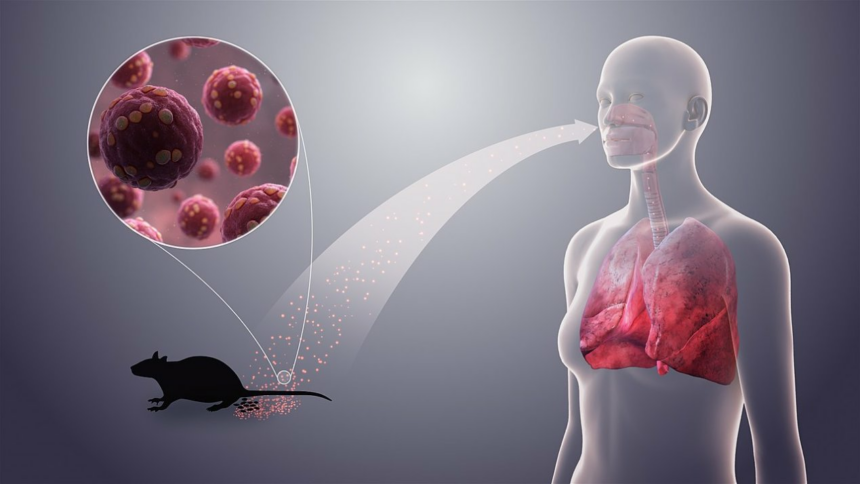
Hantavirus infection is usually transmitted through contact with urine, feces, or saliva from infected rodents, or through contaminated surfaces. The WHO said exposure often occurs in rural or rodent-infested settings, including forests, fields, farms, and areas where rodent habitats are disturbed. However, the agency noted that limited human-to-human transmission has been reported in previous outbreaks involving Andes virus, a hantavirus species found in South America.
That possibility is central to the investigation. WHO said the source of exposure remains undetermined, including whether passengers were exposed before boarding in Argentina, during stops in remote ecological areas, or through close contact with infected individuals. Reuters reports that health authorities are considering suspected human-to-human transmission in the cruise-linked cluster, although the WHO continues to assess the risk to the wider population as low.
The WHO advised passengers and crew to monitor symptoms for 45 days, practice frequent hand hygiene, remain alert for signs of hantavirus infection, and self-isolate if symptoms develop. It also recommended environmental cleaning, adequate ventilation, and avoiding dry sweeping, which can aerosolize contaminated particles. The agency said no travel or trade restrictions are recommended based on current information.
There is no specific antiviral treatment or approved vaccine for hantavirus pulmonary syndrome. The WHO said early supportive care, rapid referral to an emergency department or intensive care unit, respiratory support, careful fluid management, and other critical-care measures can improve survival.
While the outbreak remains limited to the cruise-linked cluster, the incident has drawn attention to the health risks associated with expedition travel in remote areas. WHO says most routine tourism activities carry little or no risk of exposure to rodents or their excreta, but travelers visiting rural, wilderness, camping, or hiking areas where hantavirus is endemic should take precautions to avoid contact with rodents and contaminated materials.
© 2025 Mexicobusiness.News. A Mexico Business Company. All Rights Reserved.
Hantavirus Cluster Linked to Cruise Ship Leaves Three Dead – Mexico Business News



Leave a Comment

