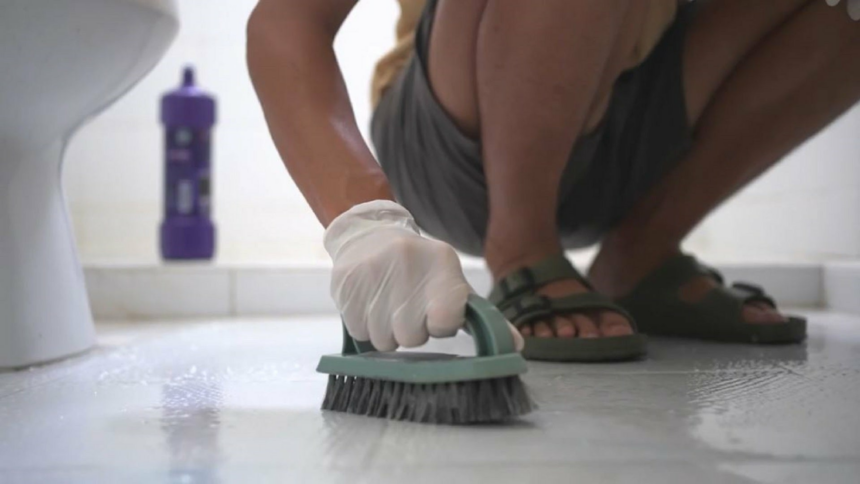
INDIANAPOLIS (WISH) – Spring cleaning offers more than just a tidy home; it can also significantly mental well-being. Dr. Danielle Henderson, a clinical psychologist from IU Health, says that decluttering can help clear the mind and decrease stress levels.
Henderson says this fresh start can reduce feelings of being overwhelmed and foster a sense of accomplishment.
“I think maybe a lot of us can relate to the fact that we see different parts of our living spaces that could maybe benefit from some tending, too. We see that and like, oh, that’s one more thing I need to do today or one more thing I didn’t get done this weekend. And so to try to have a plan to declutter and get ready for the spring can help lower your stress,” said Henderson.
Research has connected cluttered environments with negative mental states. Henderson said that studies indicate being in or even just seeing disorganized spaces can induce feelings of anxiety, stress and nervousness.
Breaking down larger cleaning goals into smaller, manageable tasks can significantly boost productivity.
“One way to do that is thinking about, how can I break this down into smaller tasks? I think, again, sometimes we are often like, I’m going to organize this whole bedroom. That maybe takes a lot of time, maybe a lot more steps than we had anticipated. So I think if we’re breaking it down, we can have small productivity throughout the week, throughout the day,” said Henderson.
Completing these decluttering projects can also foster a sense of pride and improve self-esteem. When nagging tasks are finally addressed, individuals can feel a significant sense of accomplishment.
“I think, again, when we have these projects that have maybe been nagging at us, things that we know we need to do or really want to do, once we’ve accomplished it, we can feel really proud of ourself and say, wow, I finally did that. And look how good that looks. And look how good it feels to have it organized,” said Henderson
Cleaning allows individuals to regain a sense of control over their personal surroundings. When spaces are in disarray, actively structuring and organizing them can be empowering.
“When things are in disarray or things are in a way that we don’t want them to be or we don’t like them to be it can really help us you know find some way to structure that and we’re taking control in ways that we can placing things how we want them to be placed making the space visually appealing or just feeling like again this is how I want it to look and finally doing it,” said Henderson.