


Understanding food noise – and how to turn down the volume
Remedies for motion sickness: What works?
4 keys to a heart-healthy diet
Understanding exercise heart rate zones
Resistant starch: Can you make the carbs you eat a little healthier?
Harvard study: A couple of daily cups of coffee or tea linked to lower dementia risk
Does everyone benefit from cutting saturated fat in their diet?
How to treat shoulder impingement
Beyond protein: 6 other nutrients that help prevent muscle loss
Advancements in knee replacement: More precise and personalized
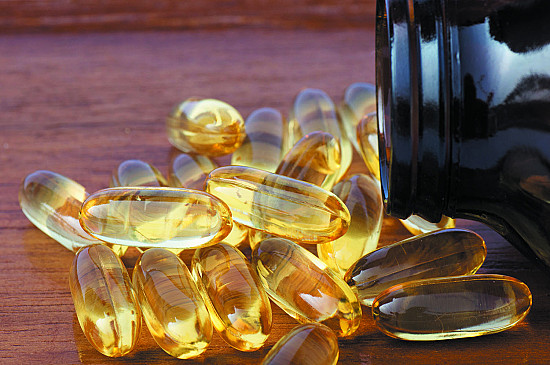
Low blood levels of Vitamin D have been associated with higher risks of everything from heart disease, diabetes, and cancer to mood disorders and dementia. Perhaps not surprisingly, then, vitamin D supplements are popular. Yet many people taking vitamin D supplements have no signs of vitamin D deficiency or underlying conditions that could benefit, and some are taking higher doses than the safe upper limit.
The current Recommended Daily Allowance (RDA) of vitamin D is 20 micrograms (mcg or mg) or 800 international units (IU) for people older than 70, and 15 mcg (600 IU) for people aged 1 to 70.
2024 guidelines from the Endocrine Society state that healthy adults under age 75 do not need to take vitamin D supplements. The guidelines recommend supplements only in certain groups: Children (ages 1 to 18), adults 75 and older, pregnant women, and people with high-risk prediabetes.
Vitamin D, nicknamed “the sunshine vitamin” because your body produces it after sun exposure, has long been known to help build strong bones by increasing the body’s absorption of calcium and phosphorus. Since the turn of the century, research into vitamin D’s role in various health conditions has been rapidly increasing.
While there is strong support for vitamin D’s role in bone health, the evidence that it prevents other health conditions is not yet conclusive.
For example, the Vitamin D and Omega-3 Trial (VITAL), which included more than 25,000 participants nationwide, all ages 50 and above, found that those taking a vitamin D supplement did not experience lower rates of heart attack, stroke, or cancer. However, among people who later developed cancer, those who took vitamin D supplements for at least two years had a 25% lower chance of dying from their cancer compared with those who received a placebo.
Other analyses of data from VITAL have found that five years of vitamin D supplementation was associated with a 22% lower risk of being diagnosed with an autoimmune disease such as rheumatoid arthritis or psoriasis, and that four years of supplementation was associated with a slower rate of cell aging. However, VITAL data found no effect of vitamin D supplements on the prevention of depression.
And in 2025, two randomized controlled trials found no effect of vitamin D supplements on thinking and memory (the VitaMIND trial) or dementia (the Finnish Vitamin D trial).
Your vitamin D level reflects many factors, including the following.
Where you live. People in northern areas (latitudes north of 37°) are at higher risk for a vitamin D deficiency because sun exposure to skin is much lower during the winter months.
Your age. The skin’s ability to produce vitamin D drops with age. If you’re over age 65, your skin generates only one-fourth as much vitamin D as you did in your 20s.
Your skin color. People with darker skin typically have lower levels of vitamin D than lighter-skinned individuals do. On average, African Americans have about half as much vitamin D in their blood, compared with white Americans.
Your weight. If you have a body mass index above 30, you may have low blood levels of vitamin D. Because vitamin D is stored in fat, people with higher body-fat percentages have less vitamin D in their blood, where it’s available for use by the body.
The foods you eat. Other than certain fish, few foods naturally contain substantial levels of vitamin D. Most cow’s milk is fortified with vitamin D, a process introduced by the U.S. government in the 1930s to combat rickets, a bone-weakening disease caused by vitamin D deficiency. Most plant-based milks also are fortified, as well as breakfast cereals and some types of orange juice.
Certain health conditions. People with conditions such as inflammatory bowel disease, liver disease, or cystic fibrosis (among others) may have trouble absorbing vitamin D, which can lead to deficiencies.
Higher doses of vitamin D may be dangerous. Vitamin D doesn’t dissolve in water, so it can’t be excreted through urine; instead, excess vitamin D builds up in the body tissues and bloodstream.
In rare cases, taking a supplement that contains too much vitamin D can be toxic: It can lead to hypercalcemia, a condition in which too much calcium builds up in the blood, potentially forming deposits in the arteries or soft tissues. High-dose vitamin D supplements may also predispose people to painful kidney stones.
A study of older people already at risk for falls found an increased fall risk among those taking higher doses of vitamin D (50 mcg to 100 mcg, or 2,000 IU to 4,000 IU), compared with lower doses (6.3 to 25 mcg, or 250 IU to 1,000 IU). A follow-up analysis also suggested that people with the highest vitamin D blood levels after taking supplements may be at higher risk for falls, compared with people with lower levels.
Ask your doctor if you should be taking a vitamin D supplement and, if so, at what dose.
Selected foods
Micrograms (mcg) vitamin D
% of FDA Nutrition Label Daily Value (DV)
Salmon, cooked, 3 oz
11.1
55.5%
Tuna, canned in water, 5 oz
1.7
8.5%
Sardines, canned in oil, 3.75 oz
4.4
22%
Cow’s milk, low-fat, fortified, 8 oz
2.8
14%
Soy milk, unsweetened, fortified, 8 oz
1.6
8%
Orange juice, fortified, 8 oz
2.5
12.5%
Egg yolk, 1 large
0.9
4.5%
Source: USDA Food Data Central
When it comes to vitamin D, it’s best to stick to some simple guidelines.
Watch your numbers. If you’re taking a vitamin D supplement, you probably don’t need more than 15 mcg to 20 mcg (600 IU to 800 IU) per day. If you have a bone health disorder or a condition that interferes with the absorption of vitamin D or calcium, your doctor may recommend a higher dose. Unless your medical team recommends it, avoid taking more than 100 mcg (4,000 IU) per day, which is considered the safe upper limit.
Choose food over pills. If possible, it’s better to get your vitamin D from food sources rather than supplements (see “Selected food sources of vitamin D.”) Choose fortified dairy products (which have the nutrient added to the food) or salmon, or canned fish which are all high in vitamin D. Check product nutrition labels, which will include the amount of vitamin D (mcg) per serving, as well as the percent Daily Value (%DV).
Let your doctor know. Discuss supplement use with your doctor to ensure that the amount you’re taking is appropriate for your needs. If you have a well-balanced diet that regularly includes good sources of vitamin D, you may not need a supplement.
Image: © Hunterann/Getty Images
Mallika Marshall, MD, Contributing Editor
As a service to our readers, Harvard Health Publishing provides access to our library of archived content. Please note the date of last review or update on all articles.
No content on this site, regardless of date, should ever be used as a substitute for direct medical advice from your doctor or other qualified clinician.
Understanding food noise – and how to turn down the volume
Remedies for motion sickness: What works?
4 keys to a heart-healthy diet
Understanding exercise heart rate zones
Resistant starch: Can you make the carbs you eat a little healthier?
Harvard study: A couple of daily cups of coffee or tea linked to lower dementia risk
Does everyone benefit from cutting saturated fat in their diet?
How to treat shoulder impingement
Beyond protein: 6 other nutrients that help prevent muscle loss
Advancements in knee replacement: More precise and personalized
Diet and nutrition
Diet and nutrition
Brain health
You might also be interested in…
About half of all Americans routinely take dietary supplements. The most common ones are multivitamin and multimineral supplements. Making Sense of Vitamins and Minerals: How to get the nutrients you need to stay healthy explains the evidence behind the benefits and safety profiles of various vitamins and minerals. It also includes the recommended minimum and maximum amounts you should consume, as well as good food sources of each.
Get the latest in health news delivered to your inbox!
© 2026 Harvard Health Publishing® of The President and Fellows of Harvard College
Do not sell my personal information | Privacy Policy and Terms of Use
Thanks for visiting. Don’t miss your FREE gift.
Don’t miss out on your 25% off promo code and BONUS GIFT worth $29.95.
Sign up to get tips for living a healthy lifestyle, with ways to lessen digestion problems…keep inflammation under control…learn simple exercises to improve your balance…understand your options for cataract treatment…all delivered to your email box FREE.
Sign up for HEALTHBeat and receive trusted health information delivered right to your inbox.
As a way of introducing you to the expertise of Harvard Medical School, enjoy 25% off our health special reports, online courses, and more. And as a bonus, also receive a FREE GIFT worth $14.95!.
No purchase necessary. Just enter your email address and click the red button. You’ll receive a confirmation email from us along with a link to your 25% coupon and your bonus gift.
Stay on top of latest health news from Harvard Medical School.
Plus get a FREE on-line course Inflammation and Diet: How food can lower disease risk. No purchase necessary.
Stay on top of latest health news from Harvard Medical School.
Plus get a FREE on-line course Inflammation and Diet: How food can lower disease risk. No purchase necessary.
Taking too much vitamin D can cloud its benefits and create health risks – Harvard Health



Leave a Comment