


Micron is riding an AI memory crunch, but how long will it last?
Shares of Micron Technology (MU +4.98%) have soared over the past year due to a shortage of high-performance memory for data centers. The company could see strong financial performance over the next few years, as demand remains well above supply.
The key question investors need to answer before buying Micron today is whether this cycle is different. Will artificial intelligence (AI)-driven demand bring an end to the industry's boom-and-bust cycles in memory pricing, or will prices eventually tumble again, as they have in past cycles? One scenario could drive sizable gains over the next few years, while the other could lead to another drawdown in the share price.
Micron's latest earnings report offers clues that can help investors decide whether the stock is worth buying at today's price.
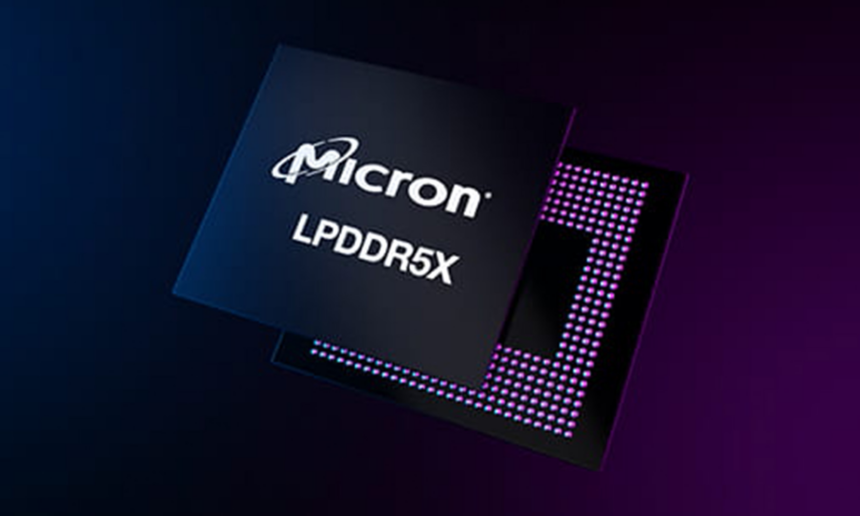
Image source: Micron Technology.
In the recent quarter, Micron's revenue tripled year over year to nearly $24 billion. Higher memory prices are juicing margins, sending earnings per share up from $1.41 in the year-ago quarter to $12.07.
AI computing systems, including graphics processing units (GPUs), require advanced memory to handle massive amounts of data — and right now, the industry can't make enough of it. Management noted on the earnings call that it continues to fulfill only about half to two-thirds of customer demand.
The good news for investors is that the tight supply doesn't appear to be easing anytime soon. Management expects the shortage to persist through the end of 2026 and into next year, which should support higher earnings.
Importantly, demand is coming from other markets beyond data centers. As consumer devices, like smartphones, use on-device AI processing, demand for memory will grow even further. Micron executives specifically called out the opportunity in humanoid robots, which they believe will require memory and storage capacities similar to those of a self-driving car.
AI is a powerful demand driver, but it still doesn't eliminate this industry's cyclical risk. Micron and its competitors will chase demand by adding capacity, which could eventually lead to oversupply and lower memory prices.
That additional supply should help Micron over the next couple of years, given how tight the market is. Analysts see earnings climbing to $58 per share in fiscal 2026 (ending in August) and $98 in fiscal 2027, then slipping to $77 in fiscal 2028 — a sign that pricing could turn cyclical again as supply catches up.
Because long-term earnings are so uncertain, this isn't a stock I'd want to buy and hold indefinitely, even if it has room to run in the next year or so. Micron averaged a forward price-to-earnings multiple of 8.3 over the past year, and now trades at 6.2 times this year's estimate and 3.6 times next year's.
Those low earnings multiples suggest that investors don't view AI demand as a permanent stabilizer for memory pricing. Shares could still climb on today's shortages, but they could also drop sharply if the industry overbuilds manufacturing capacity. Investors who buy Micron stock should size their positions accordingly to account for volatility.
John Ballard has no position in any of the stocks mentioned. The Motley Fool has positions in and recommends Micron Technology. The Motley Fool has a disclosure policy.
*Average returns of all recommendations since inception. Cost basis and return based on previous market day close.
Invest better with The Motley Fool. Get stock recommendations, portfolio guidance, and more from The Motley Fool's premium services.
Making the world smarter, happier, and richer.
© 1995 – 2026 The Motley Fool. All rights reserved.
Market data powered by Xignite and Polygon.io.
About The Motley Fool
Our Services
Around the Globe
Free Tools
Affiliates & Friends
AI Data Centers Are Choking on Memory: Is Micron a Buy After Its Monster Run? – fool.com



Leave a Comment