


Geeky Gadgets
The Latest Technology News
By 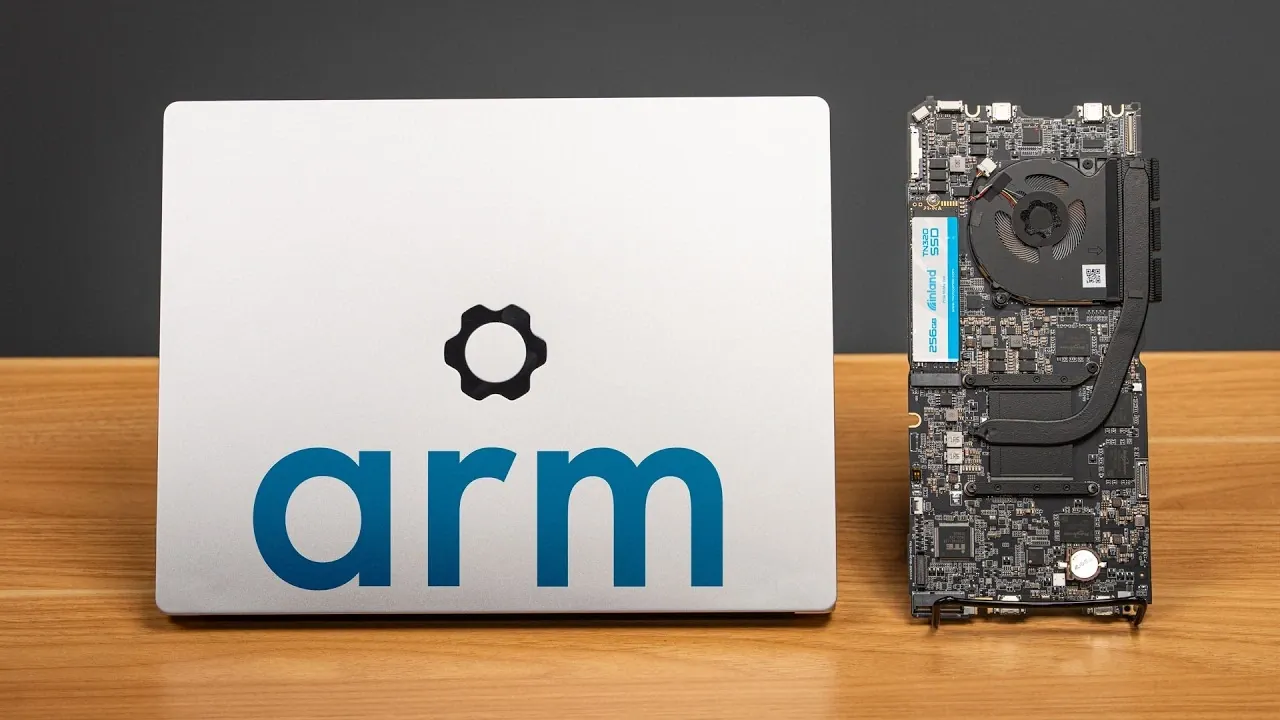
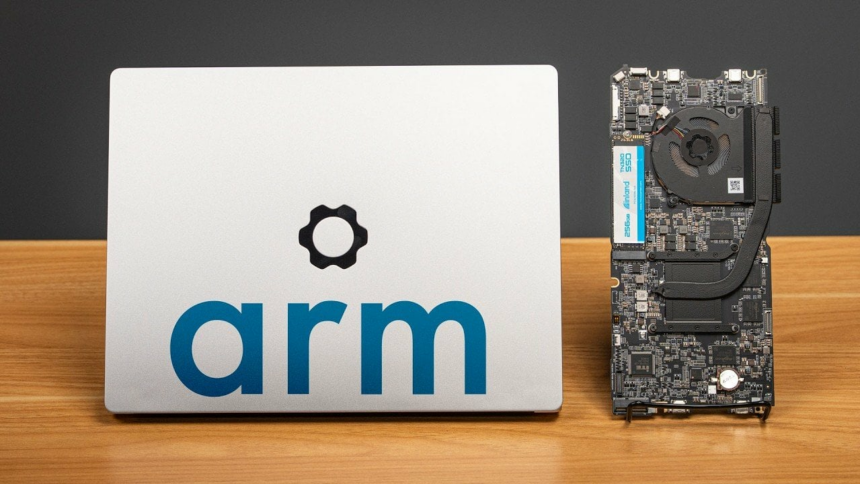
The Framework 13 laptop now supports an ARM-based mainboard, the MetaComputing Cix CP8181, offering users a modular alternative to traditional AMD and Intel processors. Highlighted by its 12-core ARM CPU and pre-installed Ubuntu 20.04 operating system, this mainboard is particularly suited for Linux-based workflows and specialized tasks like AI development or graphics processing. Jeff Geerling explores how this addition aligns with the Framework 13’s ethos of repairability and customization, while also addressing its challenges, such as higher power consumption and limited compatibility with Windows.
Dive into this explainer to understand the practical implications of adopting the MetaComputing Cix CP8181 for your computing needs. You’ll gain insight into its performance benchmarks, including its suitability for multitasking and graphics workloads and learn about its limitations in gaming and energy efficiency. Additionally, the guide unpacks the complexities of configuring its Neural Processing Unit (NPU) for AI tasks, helping you assess whether this ARM-based option fits your professional or experimental workflows.
TL;DR Key Takeaways :
The MetaComputing Cix CP8181 mainboard is designed to integrate seamlessly with the Framework 13 laptop, offering a range of features tailored to developers and professionals:
These specifications make the mainboard particularly appealing to Linux users, especially developers working in graphics, AI, or other specialized ARM-based workflows. Its modular design aligns with the Framework 13’s ethos of repairability and customization.
The 12-core ARM CPU provides reliable performance for everyday computing tasks and benchmarks, making it suitable for developers and professionals. However, it falls short when compared to AMD Ryzen processors, particularly in memory bandwidth, which can hinder performance in data-intensive applications.
One of the mainboard’s significant drawbacks is its power consumption. With an idle power draw of 7-8 watts, it is less efficient than competing systems such as the MacBook Neo or AMD-based boards. This higher power usage may deter users who prioritize battery life and energy efficiency, especially for mobile computing scenarios. While the ARM architecture is often associated with low power consumption, this implementation does not fully capitalize on that advantage.
Advance your knowledge of Framework laptops by reading more of our detailed content.
The Mali G720 GPU offers support for Vulkan and OpenGL, allowing some graphics-intensive tasks. However, its gaming performance is limited. Steam gaming, for instance, is constrained by driver issues and memory limitations. While older or less demanding titles may run at reduced settings, the overall gaming experience is far from optimal.
For developers working on graphics or AI applications, the GPU provides some utility, but it is not designed for high-end gaming or demanding graphical workloads. This positions the mainboard as a niche option for specific professional use cases rather than a versatile solution for gamers or general users.
Installing Windows on ARM on the MetaComputing Cix CP8181 has proven to be a complex and unreliable process. Users have reported hardware initialization errors and limited driver support, making Linux the most practical and reliable operating system for this mainboard. This lack of robust Windows compatibility significantly narrows its appeal, particularly for users who rely on Windows-based software for their workflows. As a result, the mainboard is best suited for those who are already committed to Linux or other ARM-compatible operating systems.
The inclusion of a Neural Processing Unit (NPU) rated for 30 TOPS INT8 is a notable feature aimed at accelerating AI workloads. However, its implementation leaves much to be desired. Configuring the NPU requires manual intervention and the limited documentation makes it challenging for developers to fully use its capabilities. While the NPU has potential for machine learning and AI tasks, its current state may not meet the expectations of professionals seeking streamlined and efficient solutions. This further limits its appeal to a niche audience of developers willing to invest time in experimentation and configuration.
Priced similarly to AMD Ryzen 5340 boards, the MetaComputing Cix CP8181 struggles to justify its cost for general consumers. Competing options, such as the MacBook Neo, offer superior performance, better power efficiency and a more polished user experience at a comparable or lower price point.
The ARM-based mainboard’s primary appeal lies with developers, enthusiasts and professionals who specifically seek ARM systems for experimentation or specialized workflows. For most users, however, alternatives like AMD Ryzen boards or Apple’s ARM-based systems provide better overall value, combining performance, efficiency and compatibility.
The MetaComputing Cix CP8181 mainboard for the Framework 13 laptop represents a step forward in expanding the modular computing ecosystem to include ARM-based systems. Its Linux compatibility and ARM architecture make it a compelling choice for a niche audience of developers and enthusiasts. However, its higher power consumption, limited gaming performance and poor Windows compatibility hinder its competitiveness in the broader market. For general consumers, alternatives such as the MacBook Neo or AMD Ryzen boards remain more practical and cost-effective choices. The MetaComputing Cix CP8181 is best suited for those who value modularity and are willing to navigate its limitations to explore the potential of ARM-based computing.
Media Credit: Jeff Geerling
Disclosure: Some of our articles include affiliate links. If you buy something through one of these links, Geeky Gadgets may earn an affiliate commission. Learn about our Disclosure Policy.