




How to Live Better, Longer
The amount of virus that causes COVID-19 in U.S. wastewater rose 9% between Oct. 31 and Nov. 7, according to CDC data compiled by The Sick Times in its weekly national review. The increase reverses the decline seen in late October, and the CDC rates national wastewater activity as moderate and slightly increasing.
The rise is not limited to one region. As of Nov. 12, CDC models estimated that infections were growing or likely growing in 37 states, including every Midwest state, while wastewater levels climbed sharply in Colorado, Utah and Montana.
For families planning Thanksgiving on Nov. 26, the timing matters. Millions of people will travel and gather indoors next week. Wastewater cannot show who is sick, but it can show whether the virus is becoming more common where a visit is planned. That is useful for households that include an older relative or someone with a weakened immune system.
MedicalDaily previously reported on elevated October levels in Massachusetts and Connecticut. At that time, the CDC’s national wastewater measure had fallen 17% in late October, while WastewaterSCAN reported a 12% increase over a slightly earlier week, according to an earlier Sick Times review of national trends. The CDC has since revised its data and now shows increases for both the weeks ending Oct. 31 and Nov. 7.
Two other wastewater networks point the same way. WastewaterSCAN, a national monitoring program, reported a 9% rise between Oct. 28 and Nov. 4 and rated its national level high. Biobot Analytics reported rising levels nationally and in most regions.
Clinical data tell a slightly different story. CDC test positivity fell from 3.7% to 3.3% over the same week. Indicators do not always move together, and far fewer people test for COVID-19 than in earlier years.
Betsy Ladyzhets, who tracks state and national dashboards for The Sick Times, noted that unlike the past couple of years, there has been no real lull between the summer and early fall wave and the rise heading into winter.
In the Midwest, wastewater levels remain below the national average but are rising, and CDC models show growing infections in all Midwest states. Wastewater and test positivity data also suggest possible increases there.
The West is mixed, with declines along the coasts and increases inland. Colorado, Utah and Montana show large wastewater increases, and CDC models report definite case growth in those states. The latest data suggest COVID-19 may be rising again in California.
Other regions already sit higher. The CDC lists wastewater levels as very high in Florida, Virginia, Kentucky, Arkansas and Washington, D.C., as well as in Connecticut, Massachusetts and Vermont. Connecticut’s statewide average is its highest in more than a year, and some Florida sites are higher than during the summer wave. Test positivity and emergency department visits remain below summer peaks for much of the South.
New York is listed as very low, but recent New York City data were not available, so that reading may not reflect the city. Readers can check their own state on the CDC’s national and state wastewater data page, which updates every Friday with the previous week’s results.
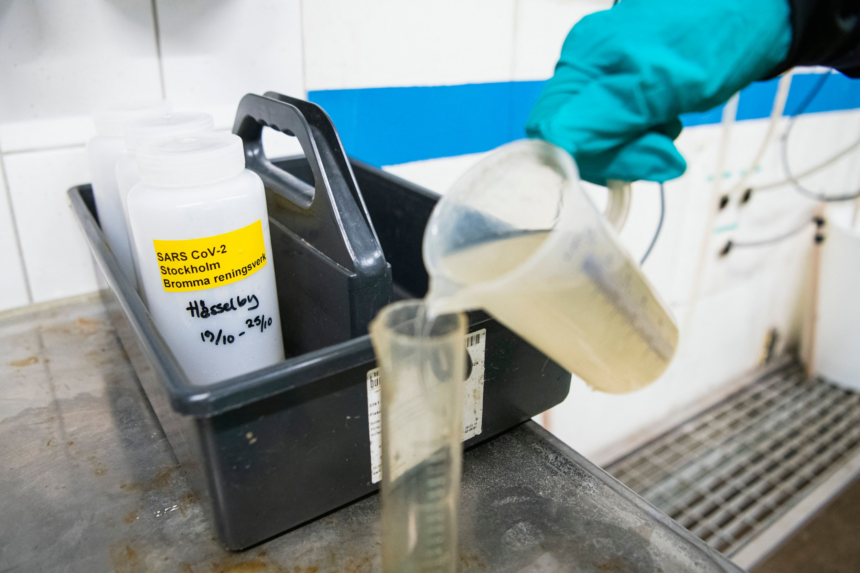
Wastewater surveillance measures virus shed by everyone connected to a sewer system, including people who never test or see a doctor and people without symptoms. That is why health officials use it as an early warning of community spread.
It also has limits. Wastewater cannot count cases, identify who is infected or predict how severe a wave will be. The CDC’s figures are preliminary, and a single week’s change can be revised, as the agency’s own late-October figures were. The CDC’s activity levels are also based only on measurements from the past two years. A contract change is causing a brief data gap at about 200 sites, and states marked “limited coverage” have results representing less than 5% of their population.
That is why trends over two or three weeks are more useful than one number. A rising line in the community where a family is gathering is a reasonable signal to add precautions. A single high reading in a distant state is not.
The data also do not identify which variant is driving the increase. The latest Sick Times review did not report on variants, and MedicalDaily did not find an official update linking the rise to a new strain.
Most healthy adults recover from COVID-19 at home. Older adults face the highest risk of severe illness, and the risk also rises for people with weakened immune systems, heart, lung or kidney disease, diabetes, and other chronic conditions, according to the CDC’s list of COVID-19 risk factors. Pregnancy also raises the risk.
Households can take low-cost steps. A rapid test on the day of a visit, or on two days in a row, can catch some infections, though a negative result does not rule out COVID-19. Staying home when sick, opening windows, and spreading out seating lower exposure indoors.
Older adults who develop symptoms should contact a clinician quickly, because COVID-19 antiviral pills work best when started within the first few days of illness. Updated 2026-27 COVID-19 vaccines are available at pharmacies and clinics. Eligibility and insurance coverage vary, so a pharmacist can confirm whether a dose is recommended. Flu is also running early, with activity higher than usual for this time of year, so families can ask about flu shots at the same visit.
Trouble breathing, persistent chest pain, new confusion, or bluish lips require emergency care. The CDC posts new wastewater data each Friday, and MedicalDaily will report whether the national level moves above moderate before or after Thanksgiving.
Is COVID rising nationally? Yes. CDC wastewater data show a 9% rise between Oct. 31 and Nov. 7, and the national level is moderate.
Which regions are seeing increases? Levels are rising in the Midwest and Mountain West and are already very high in parts of the Southeast and New England.
Are COVID infections growing in the Midwest? CDC models estimated growing infections in every Midwest state as of Nov. 12, though wastewater levels there remain below the national average.
Can wastewater tell me whether I have COVID? No. It shows community trends, not individual infections.
Why did test positivity fall if wastewater rose? Indicators do not always move together, and far fewer people now test for COVID-19.
What can families do before Thanksgiving? Check local wastewater trends, test before visiting high-risk relatives, stay home if sick, and improve ventilation.
Who is most at risk? Older adults, people with weakened immune systems, people with chronic conditions such as heart, lung, or kidney disease or diabetes, and pregnant people.
Published by Medicaldaily.com
© 2026 Medical Daily Inc. All rights reserved
Medical Daily is for informational purposes and should not be considered medical advice, diagnosis or treatment recommendation. Read more.
COVID Wastewater Levels Rise 9% Nationally as CDC Models Show Likely Growth in 37 States Before Thanksgiving – Medical Daily



Leave a Comment

