


By using this site, you agree to the Privacy Policy and Terms of Use.
Accept
Global News TodayGlobal News TodayGlobal News Today
  • World
  • Politics
  • Business
  • Technology
  • Science
  • Entertainment
  • Sports
  • Health
Reading: NASA Flights Map Tropical Ecosystems, Water, Ice – NASA Science (.gov)
Share
Notification Show More
Font ResizerAa
Global News TodayGlobal News Today
Font ResizerAa
  • World
  • Politics
  • Sports
  • Business
  • Science
  • Technology
  • Entertainment
  • Home
    • Home 1
    • Home 2
    • Home 3
    • Home 4
    • Home 5
  • Demos
  • Categories
    • Technology
    • Business
    • Sports
    • Entertainment
    • World
    • Politics
    • Science
    • Health
  • Bookmarks
  • More Foxiz
    • Sitemap
Have an existing account? Sign In
Follow US
  • Advertise
© 2022 Foxiz News Network. Ruby Design Company. All Rights Reserved.
Science

NASA Flights Map Tropical Ecosystems, Water, Ice – NASA Science (.gov)

Editorial Staff
Last updated: June 15, 2026 11:02 pm
Editorial Staff
2 days ago
Share
SHARE

The latest news briefs from NASA science.
James Riordon
Senior Science Writer
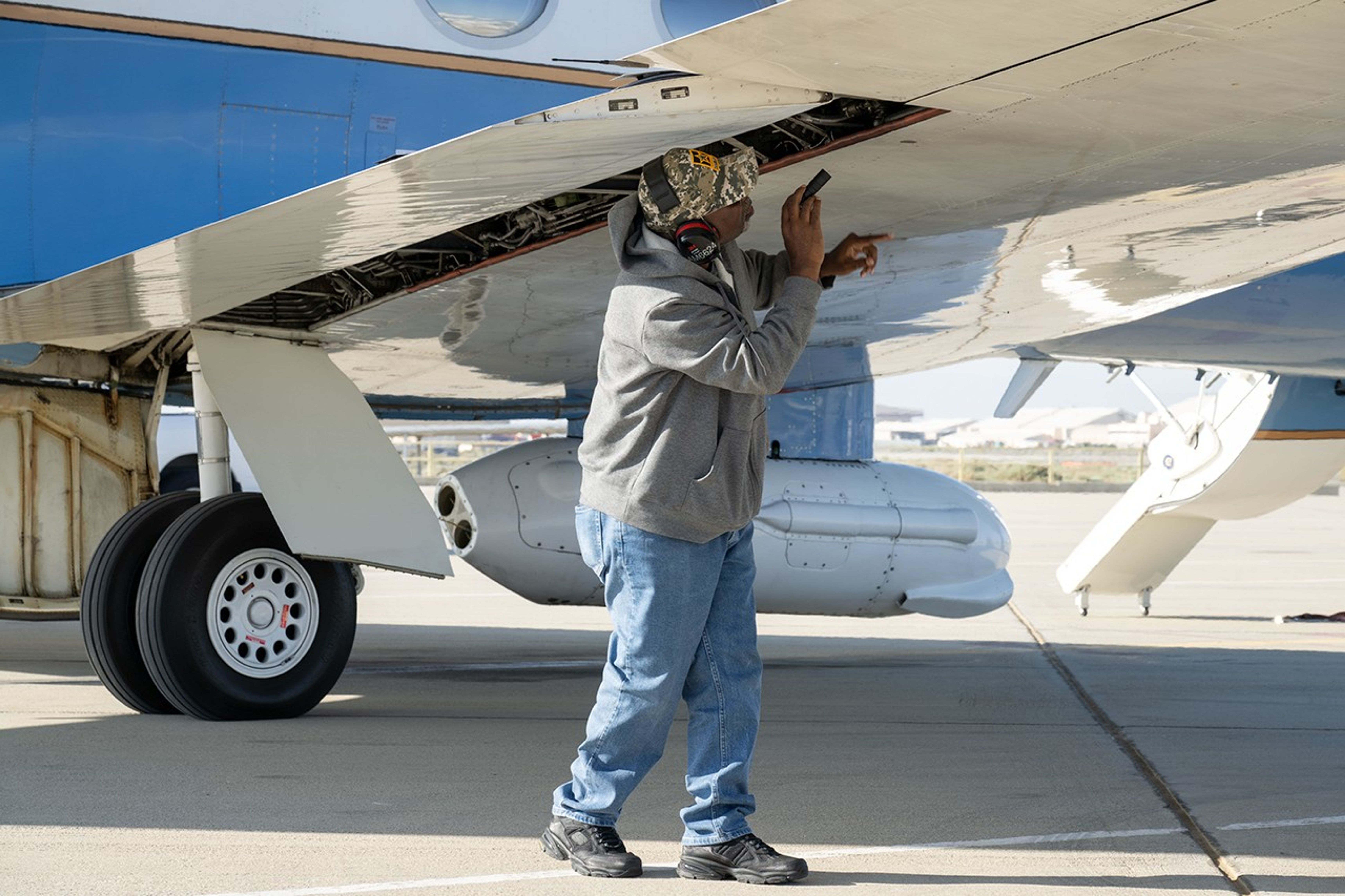
A man uses a flashlight to inspect an aircraft’s wing as part of the preflight checks.
Alvin Mitchell, a NASA C-20A aircraft quality assurance inspector, completes preflight checks at NASA’s Armstrong Flight Research Center in Edwards, California, on April 29 for a mission over Central California. On May 2, the aircraft departed for the Tropical Synthetic Aperture Radar campaign carrying NASA’s Uninhabited Aerial Vehicle Synthetic Aperture Radar.
NASA/Ryan Kline

Data from a NASA campaign in Panama and Peru will help communities prepare for tropical floods in cloud-covered areas, improve scientific understanding of forest health, and support planning for spaceborne missions.

NASA’s C-20A aircraft from Armstrong Flight Research Center in Edwards, California, flew the Uninhabited Aerial Vehicle Synthetic Aperture Radar (UAVSAR) instrument, developed at NASA’s Jet Propulsion Laboratory in Southern California, to gather mission data. While flying repeat paths, the instrument collected high-resolution radar data from a pod mounted beneath the aircraft. The monthlong campaign, known as Tropical Synthetic Aperture Radar, or TropiSAR, concluded on June 4 after 17 flights totaling 75 hours.

Airborne data were captured over Peru in the same times and locations as data captured by the NISAR (NASA-ISRO Synthetic Aperture Radar) satellite to validate key NISAR capabilities and support calibration of the satellite’s L-band radar system. The science validation targeted two measurements: tropical rainforest flood extent within the Pacaya-Samiria National Reserve in Peru, one of the world’s largest protected flooded forests, and glacier movement in the Huascarán National Park in the Peruvian Andes, which is home to the largest concentration of tropical glaciers. The mission also gathered detailed 3D views of tree height and density to estimate biomass, assess forest health, and better understand how forest ecosystems store and release carbon.

In Panama, TropiSAR also supported NASA’s Airborne Validation Unified Experiment: Land and Ocean (AVUELO) campaign in collaboration with the Smithsonian Tropical Research Institute. Airborne radar data were collected from dry forests and coastal wetlands with the goal of better understanding Panama’s rich biodiversity. By linking field measurements with airborne and satellite observations, AVUELO may advance new methods for studying the tropics.

~Jay Levine

James Riordon
Senior Science Writer

NASA explores the unknown in air and space, innovates for the benefit of humanity, and inspires the world through discovery.


source

Arizona's first bachelor's degree in global citizenship launches at ASU this fall – ASU News
289-million-year-old mummified reptile reveals how breathing began on land – Science Daily
Physicists use pulses of light in 37 dimensions to prove quantum paradox – The Brighter Side of News
NASA Artemis II astronauts arrive in Florida for first crewed Moon mission in decades – AnewZ
From launch to splashdown, SAIC handled safety checks for Artemis II – Stock Titan
Share This Article
Facebook Email Print
Previous Article 'The Night Agent' Is Officially Fixing One of Its Biggest Mistakes – IMDb
Next Article Oil and gas supplies could take months to return to normal after Iran deal, energy experts say – ABC7 Chicago
Leave a Comment

Leave a Reply Cancel reply

Your email address will not be published. Required fields are marked *

  • World
  • Politics
  • Business
  • Technology
  • Science
  • Entertainment
  • Sports
  • Health
Join Us!
Subscribe to our newsletter and never miss our latest news, podcasts etc..
[mc4wp_form]
Zero spam, Unsubscribe at any time.
Welcome Back!

Sign in to your account

Username or Email Address
Password

Lost your password?

