


Can juicing help you get more fruits and vegetables?
How to protect your health in a power outage
Physical therapy provides modest improvement for chronic low back pain
Kinesio taping offers only modest relief for musculoskeletal disorders
Scoliosis treatment: Can it help as you get older?
What factors speed up aging?
New resistance training guidance may simplify your workout
The problem with “classic” Lyme disease symptoms
Is MRI contrast dye safe?
Are those body aches a sign of gallstones?
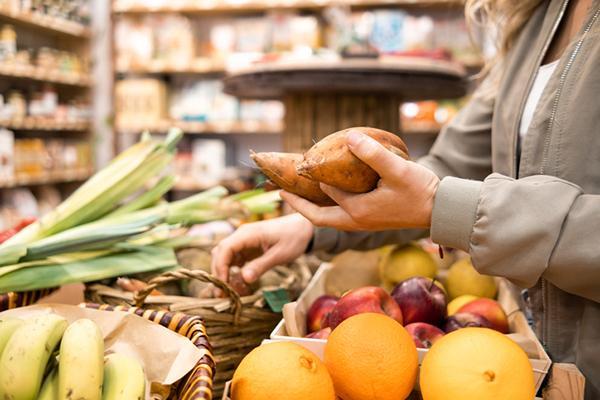
Bananas are just the beginning: almost every food in the plant kingdom, from potatoes to papayas, supplies some amount of potassium.
So, it might be surprising to learn that nutrition experts have flagged the mineral as a nutrient of public health concern. That’s because most Americans aren’t getting enough, and there’s evidence that the risks of some common chronic diseases may rise with inadequate potassium intake. The recommended adequate intake is 3,400 milligrams (mg) per day for adult men and 2,600 mg for adult women, yet surveys suggest many Americans fall short.
Why the gap? Some of it stems from “the same story we’ve heard before: people aren’t eating enough fruits and vegetables, and especially legumes,” says Teresa Fung, adjunct professor of nutrition at Harvard’s T.H. Chan School of Public Health. Compounding the problem, she adds, is that the modern American diet is heavily weighted toward ultra-processed foods, which are typically low in potassium and high in sodium — the exact opposite of what the body needs.
Furthermore, a study published in the Journal of the American College of Nutrition identified a troubling trend: blood potassium levels in the US population declined measurably between 1999 and 2016, with hypokalemia (low blood potassium levels) rising from about 4% to over 11% during that period. The researchers pointed to declines in potassium content in food crops and rising consumption of processed foods as potential causes. (Severe hypokalemia is rare in the general population and is usually due to underlying disease or certain medications.)
“Potassium is one of those nutrients that’s not really on people’s radar screens,” says Fung. “But it should be.”
Potassium, like sodium, is an essential electrolyte — a mineral that carries a tiny electrical charge — and every cell in the body depends on it. It helps relax blood vessel walls and signals the kidneys to excrete excess sodium, naturally lowering blood pressure and thus helping to reduce the risk of stroke and cardiovascular disease. A number of studies suggest a potential link between lower intake of potassium and a higher risk of high blood pressure (hypertension), stroke, and other cardiovascular disease. Potassium also works with sodium to generate the electrical signals that enable muscles (including the heart) to contract and relax.
Another reason to seek out foods rich in potassium: These plant foods tend to be high in dietary fiber, which nourishes beneficial gut bacteria. Those bacteria produce compounds that maintain the gut lining and help regulate inflammation — which may play a role in protecting cognitive health.
The single most effective strategy to amp up potassium is to eat more whole, minimally processed foods, particularly fruits, vegetables, and legumes, says Fung. A few practical steps:
Get in the legume habit. Beans, peas, and lentils are high-potassium foods, and they also supply a good amount of protein and filling fiber. Try to eat some daily, or at least several times a week. “A half-cup serving isn’t hard to do,” says Fung; canned beans make it even easier. Add them to salads, soups, tacos, casseroles, and pasta dishes — or try hummus and cut-up vegetables for a potassium-packed snack.
Enjoy potatoes and sweet potatoes, simply cooked and skin on. Both are potassium powerhouses, and a fair amount of the mineral (as well as some fiber) is in or just beneath their skins. “Of course, we’re not talking about French fries or potato chips,” says Fung, who likes to “quick bake” her spuds in the microwave.
Savor fruit in all forms, including a little juice and dried fruit. Both are good sources of potassium and can help you meet your daily potassium goal — but go easy, says Fung. “Juice is high in sugar, even if it’s natural.” With dried fruits, the drying process concentrates natural sugars and calories, and many contain added sugars, she adds. “To balance getting some potassium and not too much sugar, have a small glass of 100% fruit juice with no added sugars, or a small amount of dried fruit.”
Eat more dark leafy greens. Beet greens, Swiss chard, and spinach all rank among the top sources of potassium per serving. Layer them in sandwiches, toss them with salads and pastas, or arrange them into a bed for an entree.
Increase your intake of dairy and fish. Many are potassium-rich. See “Potassium-rich foods” for details.
Follow a DASH or Mediterranean diet pattern. Both emphasize potassium-rich fruits and vegetables and limit sodium — all good news for your heart health.
FOOD AND SERVING SIZE
POTASSIUM (MG)
Legumes
White beans, cooked, 1/2 cup
500
Soybeans, green (edamame), cooked, 1/2 cup
485
Lentils, cooked, 1/2 cup
365
Fruits
Banana, 1 medium
422
Apricots, dried, 1/4 cup
378
Cantaloupe, 1/4 medium
368
Raisins, 1 1/2 ounces
318
Grapes, 1 cup
288
Mango, 1 cup
277
Figs, dried, 5
272
Vegetables
Potato, russet, baked, 1 medium (with skin)
952
Beet greens, cooked, 1/2 cup
655
Sweet potato, baked, 1 medium (with skin)
542
Swiss chard, cooked, 1/2 cup
481
Spinach, cooked, 1/2 cup
419
Tomato, 1 medium
292
Fruit and vegetable juices
Carrot juice, 3/4 cup
517
Tomato juice, no salt added, 3/4 cup
395
Orange juice, 3/4 cup
332
Dairy products
Yogurt, plain, low-fat, 1 cup
531
Milk, nonfat, 1 cup
382
Fish
Salmon, wild Atlantic, cooked, 3 ounces
534
Halibut, cooked, 3 ounces
449
Tuna, yellowfin, cooked, 3 ounces
448
Source: USDA FoodData Central.
Image: © Alrphoto/Getty Images
Joyce Hendley, Staff Writer
Teresa Fung, ScD, RD, Contributor; Editorial Advisory Board Member, Harvard Health Publishing
As a service to our readers, Harvard Health Publishing provides access to our library of archived content. Please note the date of last review or update on all articles.
No content on this site, regardless of date, should ever be used as a substitute for direct medical advice from your doctor or other qualified clinician.
Can juicing help you get more fruits and vegetables?
How to protect your health in a power outage
Physical therapy provides modest improvement for chronic low back pain
Kinesio taping offers only modest relief for musculoskeletal disorders
Scoliosis treatment: Can it help as you get older?
What factors speed up aging?
New resistance training guidance may simplify your workout
The problem with “classic” Lyme disease symptoms
Is MRI contrast dye safe?
Are those body aches a sign of gallstones?
Heart Health
Heart Health
Heart Health
Get the latest in health news delivered to your inbox!
© 2026 Harvard Health Publishing® of The President and Fellows of Harvard College
Do not sell my personal information | Privacy Policy and Terms of Use
Thanks for visiting. Don’t miss your FREE gift.
25 Gut Health Hacks is yours absolutely FREE when you sign up to receive health information from Harvard Medical School.
Sign up to get tips for living a healthy lifestyle, with ways to lessen digestion problems…keep inflammation under control…learn simple exercises to improve your balance…understand your options for cataract treatment…all delivered to your email box FREE.
Health Alerts from Harvard Medical School
And a FREE copy of the new report 25 Gut Health Hacks!
Sign up to receive HealthBeat emails from Harvard Health Publishing and get helpful tips and guidance for ways to lessen digestion problems… keep inflammation under control… learn simple exercises to improve your balance… understand your options for cataract treatment… all delivered to your email inbox FREE. PLUS, you’ll get the latest news on medical advances and breakthroughs from Harvard Medical School experts, and special offers on content from Harvard Health Publishing.
Stay on top of latest health news from Harvard Medical School.
Plus, get a FREE copy of 25 Gut Health Hacks.
Stay on top of latest health news from Harvard Medical School.
Plus, get a FREE copy of 25 Gut Health Hacks.
The best foods high in potassium — and why you need them – Harvard Health



Leave a Comment