


Pasta is one of the world’s most beloved foods, enjoyed in countless forms across cultures and cuisines. From creamy fettuccine Alfredo to hearty spaghetti with meat sauce, it shows up on kitchen tables and in fine-dining restaurants alike. The noodles themselves are just as varied, with popular types like penne, linguine, rigatoni and farfalle each bringing their own texture and appeal.
But in recent years, many people have started looking for ways to make this classic comfort food more nutritious. One of the most sought-after options is whole grain pasta.
“Whole grain pasta is popular because it’s satisfying, versatile, and pairs well with many healthy ingredients such as vegetables, beans, fish, tofu and lean proteins,” says Lisa Young, a registered dietitian, nutritionist, author of “Finally Full, Finally Slim” and adjunct professor of nutrition at New York University. “It’s also a familiar comfort food that can make healthy eating feel more enjoyable and sustainable.”
Here’s what whole grain pasta is, how it can be good for you and why moderation still matters.
Whole grain pasta is made from flour that contains all parts of the grain kernel: the bran, germ and endosperm. “When all three of these parts are included, the grain is considered ‘whole,’” says Monica Kelly, a registered dietitian at Montefiore Health System in New York.
And this minimal processing is what distinguishes whole grain pasta from traditional white or refined pasta, which is typically made from refined wheat flour that has been stripped of the bran and germ. “Because the entire grain is used, whole grain pasta tends to have a nuttier flavor, a firmer texture and a darker color than white pasta,” Young says.
How to have a balanced diet? What you should and should not be eating and how much
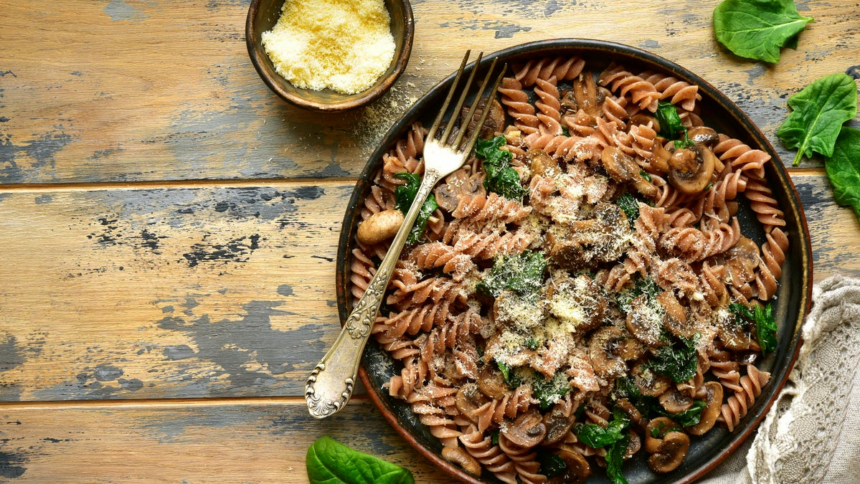
She explains that whole grain pasta is typically made by combining whole wheat flour with water, then shaping and drying it just like traditional pasta. In fact, it can be made into virtually any pasta shape, from spaghetti and penne to rotini and fusilli.
No matter what form it’s in, whole grain pasta delivers a range of beneficial nutrients that support overall health.
One of the most notable of these is dietary fiber − something it contains a lot more of than refined pasta, because it contains all three parts of the grain. “Fiber supports digestive health, helps keep you feeling full longer and can help stabilize blood sugar levels,” Young says.
Beyond fiber, whole grain pasta is also “rich in B vitamins like thiamine, riboflavin, niacin and folate, which help our body turn food into energy, support brain and nerve function, and support healthy red blood cell production,” Kelly says.
Is low-carb or low-fat eating healthier for your heart? This study has the answer.
Whole grain pasta also provides essential minerals like iron, which helps transport oxygen in the blood; zinc, “which supports the immune system and helps wounds heal,” Kelly says; and magnesium, which, she adds, “helps muscles and nerves work properly.” It also contains selenium, which helps protect cells from damage and supports thyroid function.
Whole grains also contain naturally occurring plant compounds and antioxidants “that contribute to overall health and may help reduce inflammation,” Young adds.
While such nutrients mean whole grain pasta is considered a healthier alternative to refined pasta, it’s still important to consume it in moderation.
One reason is because whole grain pasta is high in calories, so large portions can contribute to excess intake and unwanted weight gain over time. And even though whole grain pasta has a gentler impact on blood sugar than white pasta, “it’s still a carbohydrate,” Kelly says, so people trying to manage blood sugar levels should also be mindful of portion sizes.
And some other individuals may need to approach whole grain pasta with extra caution. “Because whole grain pasta is made from wheat, it contains gluten,” Young says, so people with gluten-related disorders, such as celiac disease or non-celiac gluten sensitivity, should avoid it unless a version is specifically labeled gluten-free.
Protein 101: Why it matters and how much you really need
Additionally, those with certain digestive conditions may find whole grain pasta more difficult to tolerate, particularly if introduced too quickly, due to its high-fiber content. For the same reason, “someone with IBS might find whole grain pasta especially challenging, particularly during flare-ups,” Kelly says.
That said, whole grain pasta can absolutely have a place in everyday eating for most people when approached thoughtfully. “Whole grain pasta is a great example of how carbohydrates can be both nourishing and satisfying,” Young says. “And when you keep portions sensible and pair it with vegetables and lean protein, it can absolutely be part of a healthy, balanced diet.”
Wait… is pasta actually healthy? Here's the truth about whole grain noodles – USA Today



Leave a Comment