


Health & Wellness
Thailand targets the global wellness market with a 400 million baht transformation of Chiang Mai’s hot springs into a world-class health destination.
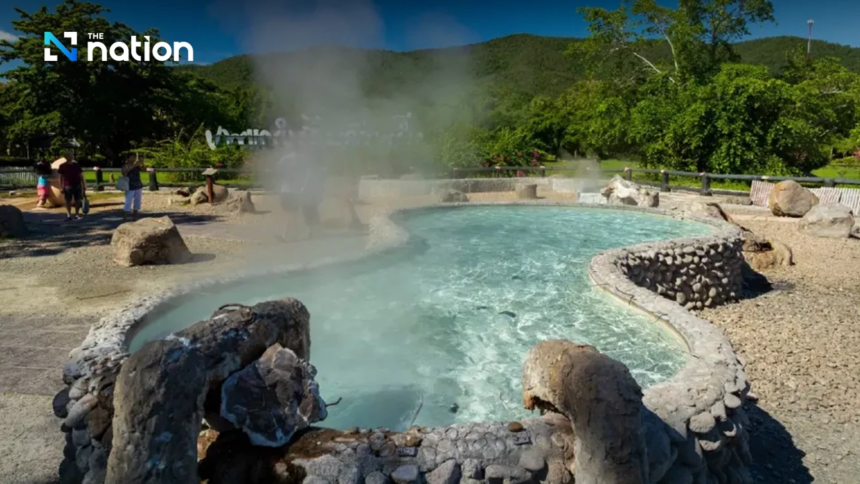
Thailand is officially planting its flag in the global wellness arena, earmarking a 400 million baht budget to transform the historic Sankamphaeng Hot Springs into a premier national model for health tourism.
The initiative comes as the global "wellness economy" shows no signs of slowing down. As noted by Thanawan Winaisathien of Thansettakij, research from the Tourism Authority of Thailand (TAT) indicates that the sector is projected to reach a staggering $7.9 trillion by 2026.
This shift is driven by a post-pandemic "quality of life" mindset, where affluent travellers increasingly view holistic health retreats as a long-term investment rather than a mere holiday.

From Leisure to Longevity
Sankamphaeng Hot Springs, an initiative under royal patronage in Chiang Mai’s Mae On district, is the centrepiece of this ambitious strategy.
The goal is to pivot from a casual local attraction to a sophisticated "Wellness Destination" that appeals to high-spending international markets, including Europe, China, and South Korea.

Chalermsak Makmoonphol, manager of San Kamphaeng Hot Springs, confirmed that the overhaul is already underway, split into two distinct phases:
Phase One (Completion 2028): A 179 million baht investment in core infrastructure, including international-standard water regulation systems and deep-source drilling to ensure mineral consistency.


A Tailored Experience
The redesigned site will be segmented into three tiers to cater to diverse budgets. While a "General Zone" will preserve traditional activities—such as the iconic egg-boiling and foot-soaking streams—the new "Private Zone" will target the "high-end" market.
This tier will offer seven-day residential retreats, integrating modern medical screening with traditional Thai therapies and "Forest Therapy" programmes.
In a move to diversify revenue, the project is partnering with Chiang Mai University to develop a bespoke line of cosmetics. These products will utilise silica extracted from the local mineral water, branding the site’s natural assets for the retail market.


The 45% Community Pledge
Distinguishing itself from purely commercial ventures, the Sankamphaeng model is built on the principle of sustainable, grassroots wealth. The facility is staffed by over 100 residents from eight local villages.
Crucially, the management has committed to a 45% net profit-sharing scheme, which will be redistributed to approximately 1,000 households in the surrounding community.
With revenue projected to leap from 30 million baht to 100 million baht annually upon completion, the project aims to prove that high-end wellness tourism can be a powerful engine for rural development.

As the "silver economy" and digital nomad trends continue to rise, Thailand’s move to modernise its natural assets suggests a long-term commitment to high-value, sustainable tourism that goes far deeper than a standard spa day.
Chadchart Sittipunt leads Bangkok gubernatorial race in latest Suan Dusit Poll
Thai hantavirus distinct from Andes strain, risk remains very low
Thais Feel the Pinch as ‘Single-Dish’ Staples Surge Amid Fuel Price Crisis
NIDA Poll finds Bangkok governor race struggling to excite voters
Thailand Bets on 400m Baht Revamp of Sankamphaeng Hot Springs to Spearhead Wellness Drive