




Notifications can be managed in browser preferences.
Please refresh the page or navigate to another page on the site to be automatically logged inPlease refresh your browser to be logged in
Swipe for next article
Public toilets can be a microbial soup. Here’s how to avoid germs
Removed from bookmarks
I would like to be emailed about offers, events and updates from The Independent. Read our Privacy notice
If you’re a parent or have a chronic health condition that needs quick or frequent trips to the bathroom, you’ve probably mapped out the half-decent public toilets in your area.
But sometimes, you don’t have a choice and have to use a toilet that looks like it hasn’t been cleaned in weeks. Do you brave it and sit on the seat?
What if it looks relatively clean: do you still worry that sitting on the seat could make you sick?
Healthy adults produce more than a litre of urine and more than 100 grams of poo daily. Everybody sheds bacteria and viruses in faeces (poo) and urine, and some of this ends up in the toilet.
Some people, especially those with diarrhoea, may shed more harmful microbes (bacteria and viruses) when they use the toilet.
Public toilets can be a “microbial soup”, especially when many people use them and cleaning isn’t frequent as it should be.
Many types of microbes have been found on toilet seats and surrounding areas. These include:
There’s also something called biofilm, a mix of germs that builds up under toilet rims and on surfaces.
No. A recent study showed public toilet seats often have fewer microbes than other locations in public toilets, such as door handles, faucet knobs and toilet flush levers. These parts are touched a lot and often with unwashed hands.
Lotti Tajouri is an Associate Professor in Genomics and Molecular Biology; Biomedical Sciences, Bond University
This article is republished from The Conversation under a Creative Commons license. Read the original article.
Public toilets in busy places are used hundreds or even thousands of times each week. Some are cleaned often, but others (such as those in parks or bus stops) may only be cleaned once a day or much less, so germs can build up quickly. The red flags that a toilet hasn’t been cleaned are the smell of urine, soiled floors and what is obvious to your eyes.
However, the biggest problem isn’t just sitting: it’s what happens when toilets are flushed. When you flush without a lid, a “toilet plume” shoots tiny droplets into the air. These droplets can contain bacteria and viruses from the toilet bowl and travel up to 2 metres.
Hand dryers blowing air can also spread germs if people don’t wash properly. As well as drying your hands, you might be blowing germs all over yourself, others and the bathroom.
You can pick up germs from public toilets in several ways:
Here are some easy ways to protect yourself:
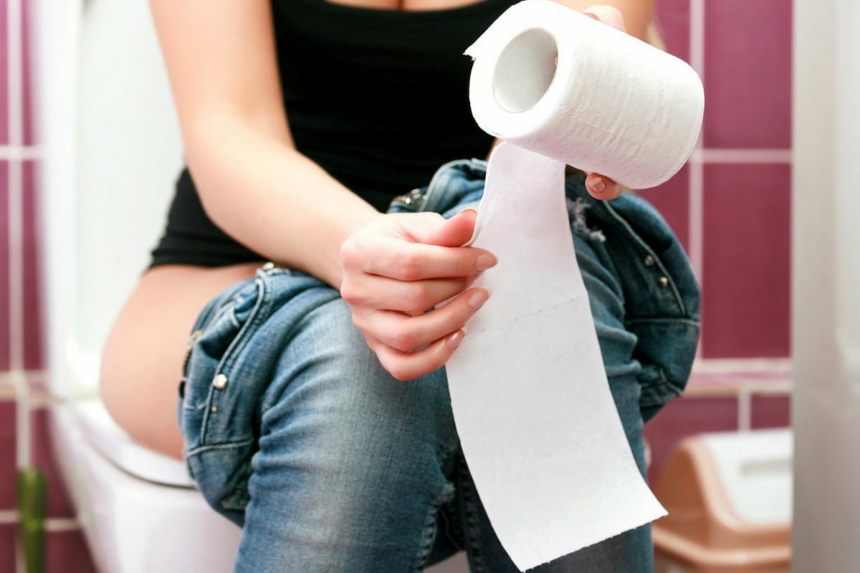
For most healthy people, yes – sitting on a public toilet seat is low-risk. But you can wipe it with an alcohol wipe, or use a toilet seat cover, for peace of mind.
Most infections don’t come from the seat itself, but from dirty hands, door handles, toilet plumes and phones used in bathrooms.
Instead of worrying about sitting, focus on good hygiene. That means washing your hands, opting for paper towel rather than dryers, cleaning the seat if needed, and keeping your phone clean.
And please, don’t hover over the toilet. This tenses the pelvic floor, making it difficult to completely empty the bladder. And you might accidentally spray your bodily fluids.
Join thought-provoking conversations, follow other Independent readers and see their replies
Please refresh the page or navigate to another page on the site to be automatically logged inPlease refresh your browser to be logged in
Why you shouldn’t hover over a public toilet seat, according to a biology expert – The Independent



Leave a Comment

