




Subscribe Now! Get features like
The year 2026 has witnessed a tectonic shift in the geopolitical landscape of West Asia. What began as a series of targeted strikes in late February has spiralled into a high-stakes confrontation between the US, Israel, and Iran. While the direct theatre of war remains localised, the shockwaves have rippled across the globe, leaving the Global South and India in particular to grapple with the fallout of a conflict it neither started nor can easily influence. As a two-week ceasefire mediated by Pakistan hangs in a precarious balance this April, the world is forced to confront a sobering reality: West Asia’s instability is no longer a localised risk; it is a systemic threat to the global economic order.
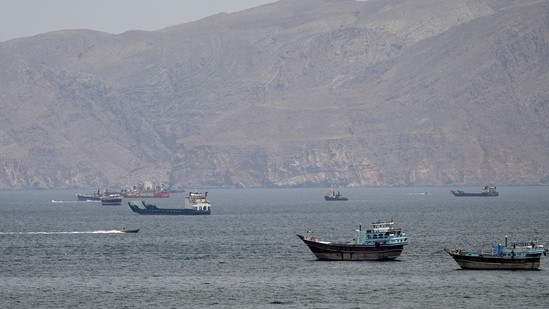
For the nations of the Global South, the conflict has been an exercise in imported instability. Unlike the US, which is cushioned by domestic shale production, developing economies are heavily reliant on the Strait of Hormuz, the world’s most critical maritime chokepoint. The passage accounts for approximately 20% of the globally traded oil and 27% of liquefied natural gas. The disruption of the Strait in early March 2026 triggered a global energy emergency, sending Brent Crude prices soaring well above $ 100 per barrel. The implications for the Global South are profound: Intense inflationary pressures, currency volatility, and heightened food insecurity as the flow of fertilisers is disrupted.
India, as the world’s third largest oil consumer, finds itself at the epicentre of this geo-economic storm. The previous period of steady growth and manageable inflation is under severe threat. According to current trade data, India imports approximately 50% of its crude oil supplies from West Asia, a figure that highlights a deep and persistent dependency. While Russia emerged as a major supplier in previous years, the Gulf remains the primary source for the specific grades of crude required by Indian refineries. The disruption of the Strait of Hormuz has not just raised prices; it has paralysed the physical flow of energy. In recent weeks, domestic fuel markets have tightened significantly, leading to widespread concern as traditional supply lines became strained. Furthermore, the shortage of natural gas for fertiliser plants threatens national food security, as urea prices have jumped from $ 400 to over $ 700 per tonne in the region.
The crisis also extends to human and financial capital. Nearly 10 million Indians live and work in West Asia, acting as the backbone of India’s foreign exchange reserves through remittances. A full-scale regional war places these communities at physical risk and threatens to dry up a vital source of capital that keeps the Indian economy buoyant. Diplomatically, India is performing a masterclass in multi-alignment, yet the pressure is mounting. The US remains a primary strategic partner and Israel a key defence supplier, but the rising tension makes balancing these relationships alongside interests in Iran increasingly difficult. The recent absence of significant budget allocations for the Chabahar Port in the 2026-27 Union Budget underscores New Delhi’s caution in the face of potential US sanctions, a signal that strategic autonomy comes with a high price tag.
The current ceasefire is a fragile breathing space. If negotiations fail and the maritime blockade of Iranian ports resumes, or if the Strait of Hormuz is permanently shut, the world could see oil prices reach unprecedented levels, potentially triggering a global recession.
To survive this permanent crisis mode, India and its peers in the Global South must pivot from reactive diplomacy to structural resilience. The ongoing instability mandates that India look beyond traditional corridors in the Gulf to secure its energy future. While recent shifts toward alternative suppliers provided a necessary cushion, the establishment of long-term, high-volume contracts with producers in South America and West Africa has become an essential pillar of national security. Simultaneously, a massive expansion of domestic storage infrastructure is required to insulate the economy from sudden supply shocks. Moving beyond current storage levels to reach full national capacity is a strategic priority that can no longer be delayed. In this context, fast-tracking the development of advanced underground salt cavern storage facilities in locations like Chandikhol and Padur is a critical necessity to ensure the country can withstand prolonged disruptions in global energy markets.
India should also lead a Global South energy bloc to negotiate collective bargaining agreements with producers. This collective voice could ensure that developing nations are not the first to suffer during supply shocks. Furthermore, the transition to green hydrogen and renewables is no longer just an environmental choice; it is a national security imperative to reduce vulnerability to maritime chokepoints. Legal frameworks such as force majeure declarations must also be refined to protect Indian exporters from penalties caused by regional port congestion and shipping delays.
The conflict is a reminder that the world of 2026 is interconnected in the most volatile ways. For India, the path forward is to build internal strength, diversify external dependencies, and maintain the strategic patience that has become the hallmark of its foreign policy. The storm may not pass quickly, but with the right measures, the nation can ensure it does not capsize. By focusing on energy sovereignty and leading the Global South in demanding a stable maritime order, India can transform this moment of extreme uncertainty into a catalyst for long-term resilience.
(The views expressed are personal.)
This article is authored by Gunwant Singh, scholar, international relations and security studies, Jawaharlal Nehru University, New Delhi.
India and the Global South: Navigating the geo-economic storm | Hindustan Times – Hindustan Times



Leave a Comment

